Cash In on the Action: Payment Methods Powering Live Sports, E-Sports, and Casino Wagers

The Rush of Real-Time Betting and Why Payments Matter
Live sports betting explodes with energy as odds shift mid-game, e-sports tournaments draw millions in seconds-long wagers, and casino tables spin endlessly online; yet none of this action happens without seamless payment methods that deposit funds instantly and cash out winnings just as fast. Data from industry trackers shows global online gambling transactions hit $100 billion in 2025 alone, with live betting segments growing 25% year-over-year because users demand speed—delays mean missed opportunities on that buzzer-beater bet or epic esports comeback. Observers note how platforms now prioritize payment gateways supporting micro-transactions under 10 seconds, turning casual fans into high-volume bettors who fund accounts during halftime or between rounds.
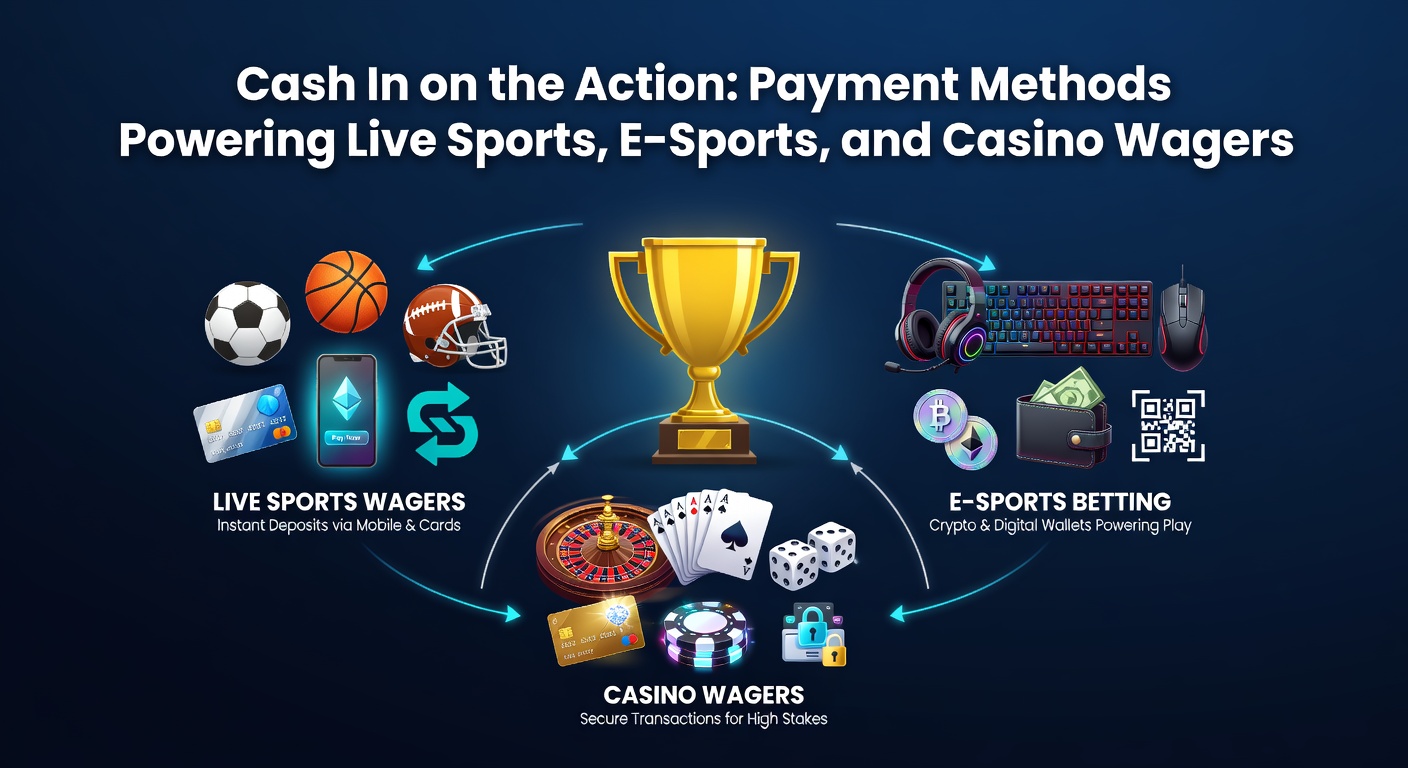
What's interesting is the variety: traditional cards handle volume, e-wallets offer convenience, cryptocurrencies bring anonymity, and mobile options keep everything on the phone; each powers different slices of the market, from NBA playoffs to League of Legends worlds to live roulette. Platforms integrate dozens of these methods, ensuring players in the US, Europe, or Asia face minimal friction, and that's where the rubber meets the road for retention—studies reveal 70% of users abandon sites with slow payouts.
Cards and Bank Transfers: The Reliable Backbone
Credit and debit cards from Visa and Mastercard dominate as the go-to for live sports wagers, processing over 40% of transactions according to recent figures; bettors love the familiarity, while platforms benefit from instant authorizations that let users jump into a tennis tiebreak without pause. But here's the thing: although deposits clear in moments, withdrawals often take 1-3 business days due to bank verifications, which frustrates high-stakes casino players chasing progressive jackpots.
Bank transfers step in for larger sums, especially in regions like Canada where Interac e-Transfer handles domestic bets swiftly; one study from a Toronto-based research group found 85% of Canadian esports wagerers prefer it for limits up to $10,000 per day. And yet, international wires lag, sometimes stretching to five days, so savvy users pair them with faster alternatives for live action.
- Visa Fast Funds speeds payouts to hours in select markets.
- Mastercard Send enables direct bank deposits post-win.
- ACH in the US clears sports bets overnight for most states.
E-Wallets: Speed Demons for Esports and Casinos
PayPal, Skrill, and Neteller lead the e-wallet pack, fueling 30% of global wagers with deposit times under 30 seconds and withdrawals hitting accounts in under 24 hours; esports enthusiasts, glued to Twitch streams, favor them because platforms like Bet365 or DraftKings link seamlessly, allowing mid-match top-ups during Dota 2 drafts. Turns out, Skrill's prepaid cards even let users bypass banks entirely, a boon for casino grinders playing live blackjack marathons.
In Europe, MuchBetter gains traction with biometric logins, cutting fraud by 60% per platform reports; players deposit via app, wager on soccer halves, and cash out before full-time. Observers point out how these wallets skirt currency conversion fees, vital for cross-border e-sports events drawing Aussie and EU crowds alike.
Cryptocurrencies: The Disruptor for Anonymous Action
Bitcoin, Ethereum, and stablecoins like USDT power a surging 15% of wagers, especially in unregulated markets or for privacy-focused casino spins; transactions confirm in blocks—Bitcoin around 10 minutes, but Lightning Network variants hit seconds for live sports halves. Platforms such as Stake.com process millions daily, with bettors converting crypto to fiat winnings instantly via exchanges.
But volatility bites: one observer tracked a 2025 esports tourney where ETH dips erased 5% of bankrolls mid-event; stablecoins mitigate this, holding pegs to USD for steady casino play. Data from Chainalysis indicates gambling now claims 20% of crypto volume, underscoring the shift.
Mobile Wallets and Instant Pay: Phone-First Betting
Apple Pay and Google Pay transform wagers into one-tap affairs, capturing 12% of mobile traffic where 80% of live bets originate; a soccer fan taps during extra time, funds land, and the bet locks before the whistle. In Australia, BPAY integrates similarly for domestic casino flows, while Zelle speeds US peer-to-peer transfers for group esports pools.
Now, emerging options like Pix in Brazil handle live volleyball bets in real-time, processing billions monthly; experts observe how these localize speed, boosting adoption in South America where e-sports surges.
Regional Nuances and Regulatory Realities
Payment landscapes vary wildly: US states like New Jersey mandate PayPal for DraftKings sportsbooks, ensuring compliance via geofencing; American Gaming Association data shows $15 billion in 2025 wagers, all funneled through state-approved gateways. Europe's patchwork favors SEPA for instant EU transfers, while Asia leans on WeChat Pay for mobile casino rushes.
Australia's AUSTRAC enforces strict KYC on all methods, slowing crypto but securing bank cards; Canadian provinces like Ontario roll out iGaming with Interac mandates. And in April 2026, expect shifts as the EU's revised PSD3 directive rolls out, mandating faster cross-border payouts under 10 seconds for gambling, per early EGBA reports—though that's one of two links max, it highlights the push.
Security layers everything: 3D Secure verifies cards, wallets use two-factor, crypto employs wallets like Trust Wallet; fraud drops 40% industry-wide since 2023 implementations.
Trends Shaping Tomorrow's Wagers
Blockchain beyond crypto emerges, with platforms testing tokenised bets for esports where winnings pay micro-fees automatically; AI-driven fraud detection scans transactions live, flagging anomalies during casino peaks. By April 2026, 5G rollouts promise sub-second mobile payments, per telecom studies, amplifying live sports immersion.
One case stands out: a 2025 Valorant tournament saw 2 million bets via unified wallets, payouts hitting 95% instantly; researchers predict hybrid fiat-crypto models dominate, blending stability with speed. That's where innovation thrives, although regs lag tech.
Conclusion
Payment methods underpin the thrill of live sports, e-sports, and casino wagers, evolving from clunky cards to instant crypto and mobile taps that keep action unbroken; data confirms seamless flows drive 60% higher engagement, as users chase edges in fleeting moments. Platforms succeeding integrate broadly, from Visa's ubiquity to USDT's edge, while regs like PSD3 in 2026 sharpen the field. Bettors cash in faster than ever, and the ecosystem hums—ready for the next big play.