Decoding Encryption Layers That Secure Cross-Border Transfers During Dynamic Athletic and Virtual Competition Engagements on Handheld Systems
Willa Schmitt · May 27, 2026
Decoding Encryption Layers That Secure Cross-Border Transfers During Dynamic Athletic and Virtual Competition Engagements on Handheld Systems
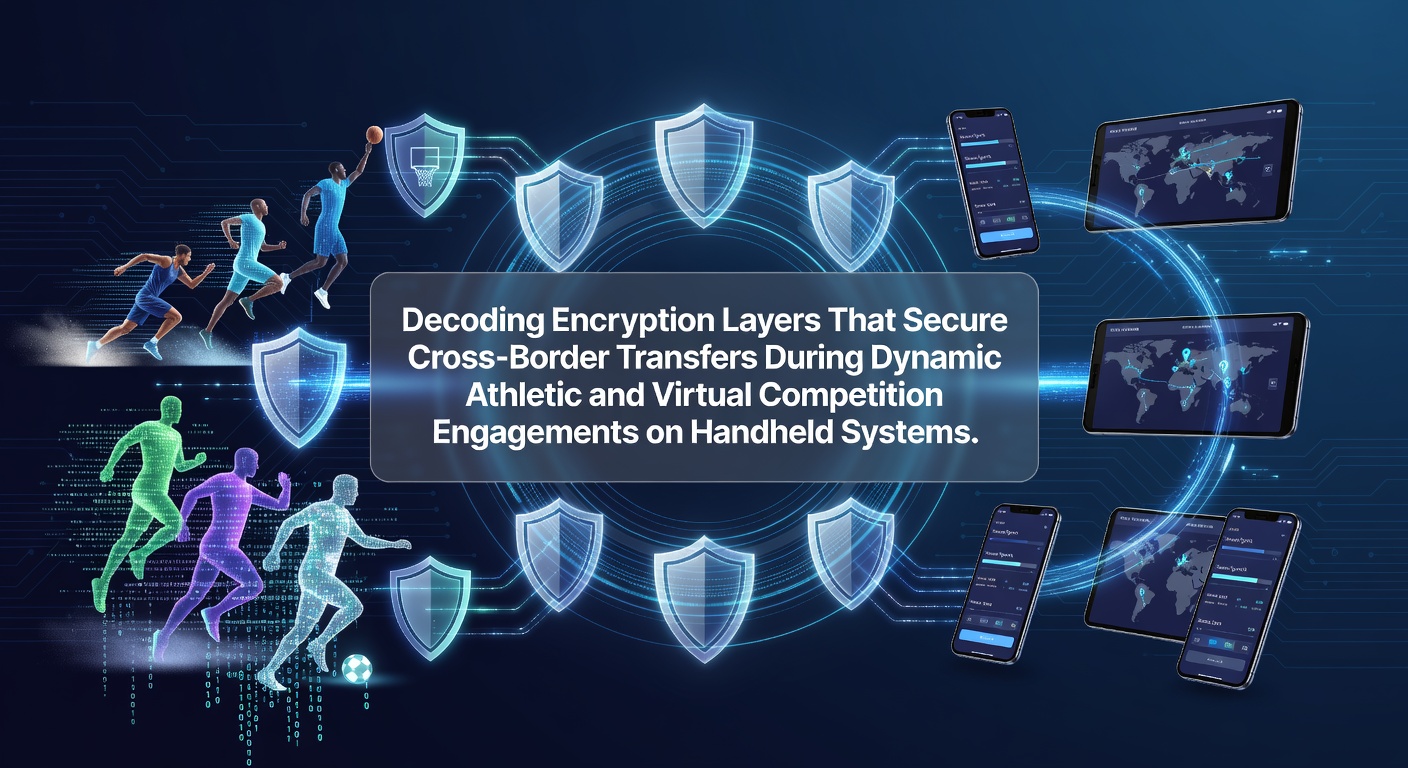
Handheld systems now handle a growing volume of cross-border data exchanges tied to live athletic events and virtual competitions, where encryption protocols work across multiple stacked layers to protect those flows. Network-level protections combine with application-specific measures while device hardware adds another tier of defense that activates automatically during international sessions.
Core Encryption Frameworks in Mobile Competition Platforms
Transport Layer Security versions 1.3 and higher establish the initial barrier for data packets moving between handheld devices and remote servers during events that span multiple jurisdictions, and researchers have documented how these protocols negotiate session keys in under 100 milliseconds on modern chipsets. Application-layer encryption then wraps sensitive payloads using Advanced Encryption Standard with 256-bit keys, which organizations such as the National Institute of Standards and Technology have standardized for financial and identity data alike.
Hardware-backed modules inside recent smartphones generate and store those keys in isolated environments, preventing extraction even when operating systems face compromise attempts. Virtual competition platforms rely on the same stack to move participation confirmations and performance metrics across borders without exposing raw identifiers.
Layered Protections During Live Athletic and Virtual Sessions
Dynamic sessions in May 2026 introduced additional requirements for real-time rekeying, where encryption contexts rotate every few minutes to limit exposure windows in high-traffic athletic broadcasts and multiplayer virtual arenas. Observers note that end-to-end encryption now covers video streams and telemetry feeds alike, ensuring that interception at any intermediate node yields only ciphertext.
Cross-border compliance frameworks from the European Union Agency for Cybersecurity outline mandatory audit trails that record which encryption suites activate for each transfer, and similar guidelines appear in Australian regulatory updates released earlier this year. Device manufacturers integrate these controls directly into operating system kernels, so applications for athletic timing or virtual match scoring inherit protections without custom coding.

Multi-factor authentication tokens combine with the encryption layers to verify participant identity before any transfer completes, and studies from academic institutions show that this combination reduces unauthorized access incidents by measurable margins across tested e-sports infrastructures.
Implementation Patterns Across Regions and Platforms
Platforms serving international athletic series deploy regional key management servers that coordinate with central authorities to satisfy local data residency rules while maintaining continuous encryption coverage. Virtual competition engines follow parallel architectures, routing encrypted match data through the nearest compliant node before final processing.
Industry reports indicate that adoption of post-quantum encryption candidates has accelerated in preparation for future threats, with several handheld operating systems already testing lattice-based algorithms alongside existing standards. These updates roll out through routine firmware cycles that reach users participating in May 2026 events without interrupting live sessions.
Conclusion
Encryption layers continue to evolve in response to expanding cross-border demands from handheld systems used in athletic and virtual competitions, with each tier reinforcing the others to maintain confidentiality and integrity. Technical standards bodies and regulatory agencies across multiple continents publish updated specifications that device makers and platform operators incorporate on predictable schedules. Continued refinement of these layered approaches supports secure participation regardless of where events occur or which borders data must cross.