Expanded World Cup Tournament Sparks Major Shifts in Sports Betting Markets
Blake Reed · Jun 29, 2026
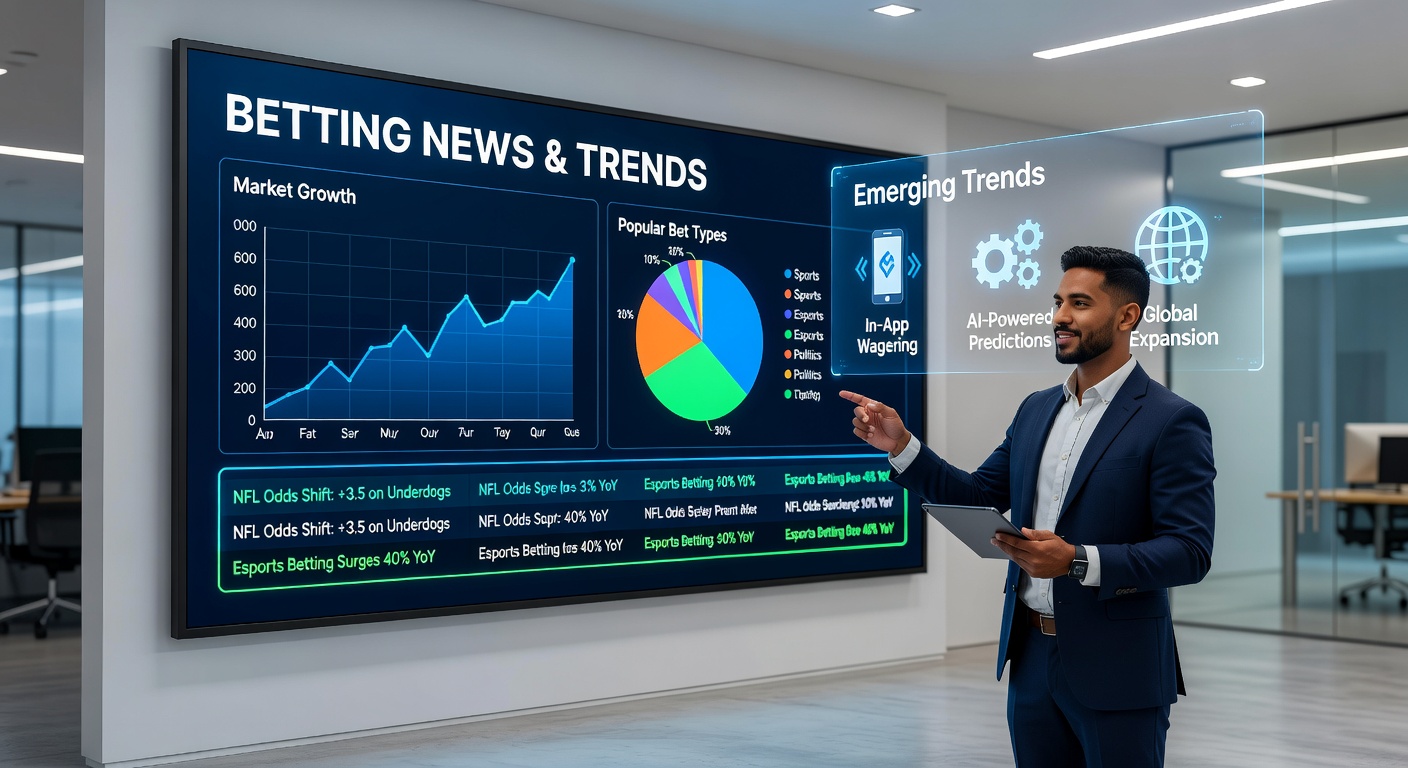
Expanded World Cup Tournament Sparks Major Shifts in Sports Betting Markets
The 2026 FIFA World Cup arrives with 48 teams competing across venues in the United States, Mexico, and Canada, and data shows this format creates significant activity for the sports betting sector at a time when growth rates have slowed while prediction markets gain traction. Operators track these developments closely because the tournament spans multiple countries and extends the schedule, which in turn extends opportunities for wagers throughout June 2026 and beyond. Projections indicate that online sportsbooks in the United States alone will handle $4.4 billion in wagers during the event, a sharp increase from the $1.8 billion recorded in 2022. Global figures could reach tens of billions when all participating regions and international bettors are included, according to figures referenced in industry reporting. These numbers emerge even as overall sports betting expansion faces headwinds from increased competition and regulatory adjustments in various markets.Operator Strategies During the Tournament Window
Major platforms including FanDuel, DraftKings, and Fanatics have increased marketing expenditures and introduced additional player prop options tailored to World Cup matches. These companies also expanded their prediction market offerings to capture segments that overlap with traditional sportsbooks. The combination allows users to place bets on both standard match outcomes and specialized market types that have grown popular in recent years.
Companies coordinate these efforts because the expanded field of 48 teams lengthens the group stage and creates more fixtures spread across North American time zones. This scheduling structure supports continuous engagement from bettors who follow multiple matches daily throughout the competition period in June 2026.
Market Context and Competitive Pressures
The sports betting industry has encountered slower growth rates in established markets while prediction platforms draw attention from users seeking alternative formats. Operators respond by integrating elements from both categories into single applications, which lets customers move between conventional odds and prediction-style contracts without switching services. Data from recent tournament cycles shows that such integration maintains user activity levels even when overall market expansion decelerates.
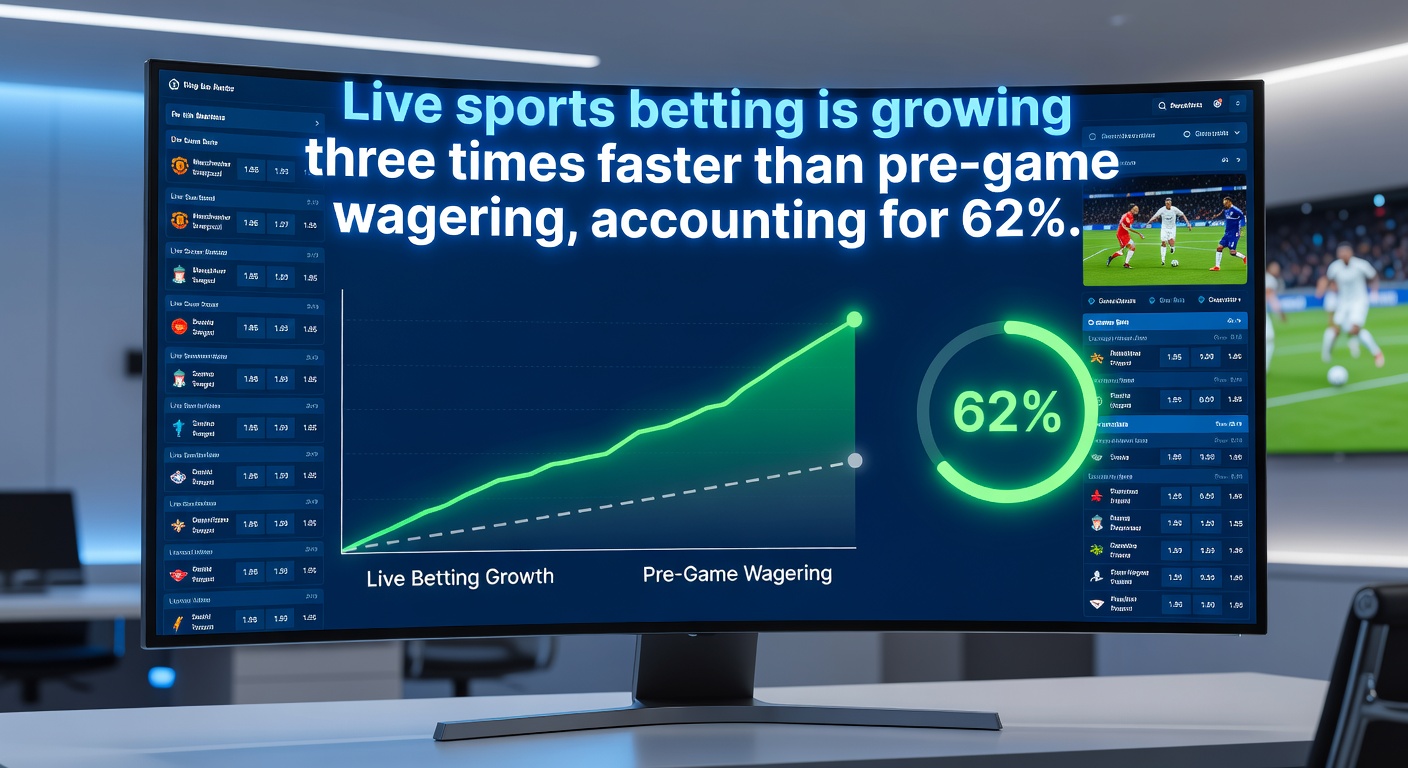
North American operators focus resources on the United States market because the projected $4.4 billion figure represents the largest single-country total. At the same time, cross-border activity between the United States, Mexico, and Canada adds layers to the overall volume because fans in each nation follow teams from all three host countries.
Regulatory and Public Health Considerations
Alongside rising wager projections, observers note increased attention to problem gambling indicators. Public health agencies and advocacy groups have highlighted the need for responsible gambling tools during high-profile events like the World Cup, especially when marketing campaigns intensify and new bet types appear on platforms. Operators have implemented additional deposit limits and self-exclusion options in response to these discussions, though the effectiveness of such measures continues to be evaluated through usage data collected during previous international tournaments.
Industry reports indicate that the combination of extended match schedules and varied betting products can extend session lengths for some users, which prompts platforms to display real-time spending summaries and cooling-off prompts at regular intervals. These features align with regulatory expectations in multiple jurisdictions where the tournament will be broadcast.
Conclusion
The 2026 FIFA World Cup therefore functions as a concentrated period of activity for sports betting companies operating across North America. With United States wagering projected at $4.4 billion and global totals reaching substantially higher amounts, platforms adjust product offerings and promotional calendars accordingly. At the same time, the presence of problem gambling concerns leads operators and regulators to monitor usage patterns throughout the tournament window that begins in June 2026. The interplay between expanded competition formats, new market features, and consumer protection measures defines the current landscape for this particular event.