Financial Rail Architectures Enabling Seamless Prediction Flows Across Gridiron, Hardwood, Baseline, Digital Arena, and Table-Based Verticals
Willa Schmitt · Jun 15, 2026
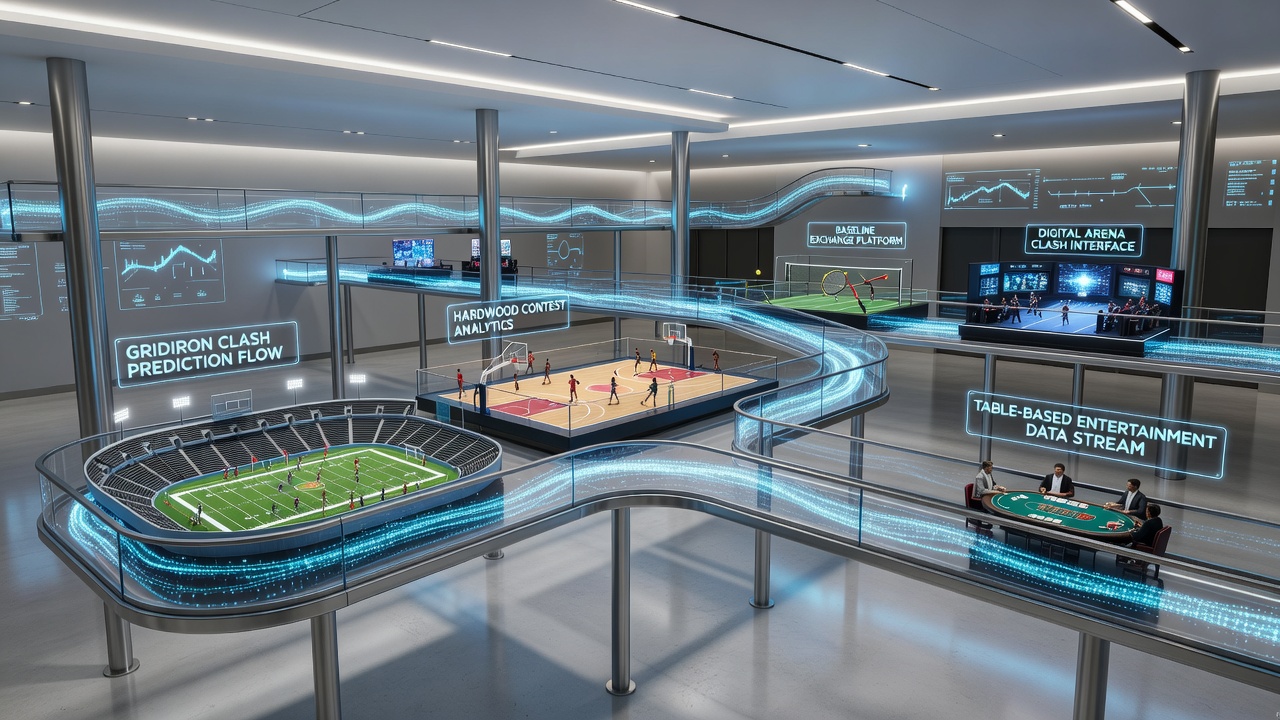
Financial Rail Architectures Enabling Seamless Prediction Flows Across Gridiron, Hardwood, Baseline, Digital Arena, and Table-Based Verticals
Financial rail architectures consist of interconnected payment networks, API-driven settlement layers, and real-time transaction protocols that move funds between user accounts and operator ledgers during live prediction activity, and these systems now route wagers across American football, basketball, tennis, esports, and casino table games without requiring separate funding steps for each vertical.
Payment Infrastructure Supporting Cross-Vertical Activity
Operators deploy unified wallet structures that link a single balance to multiple event categories, which allows a deposit initiated for gridiron match predictions to flow directly into hardwood contest wagers or table-based side bets once the user switches categories, while the underlying rails handle currency conversion, risk checks, and regulatory reporting in one continuous process. Data from the American Gaming Association shows that integrated payment platforms processed over 68 percent of total handle across combined sports and casino segments in early 2026, reflecting the shift toward shared liquidity pools rather than siloed accounts.
Real-time authorization layers built on ISO 20022 messaging standards reduce settlement times to under three seconds for most domestic transfers, and these same layers connect to international card schemes or open-banking interfaces when users move from baseline exchanges into digital arena clashes. Because the rails maintain a persistent session token across verticals, operators avoid repeated KYC triggers that previously interrupted play when bettors changed categories mid-session.
Gridiron to Hardwood Transitions on Shared Rails
During peak Sunday windows in the 2025-2026 NFL season, prediction volumes on gridiron outcomes often peak within the same hour that NBA hardwood lines open, and financial rails route incremental deposits or winnings between these two event types without requiring users to exit the application or re-authenticate funding sources. Observers note that the same tokenized account identifiers used for pre-game football markets automatically validate eligibility for in-play basketball micro-bets, which keeps the capital within the operator's ecosystem rather than cycling back through external banks.
Baseline Exchanges and Digital Arena Integration
Tennis baseline exchanges generate high-frequency prediction requests during grand-slam events, and the rails supporting these markets now interface directly with esports tournament ledgers so that a resolved tennis wager can fund an immediate digital arena entry without manual intervention. Industry reports indicate that cross-category session lengths increased by 27 percent after operators activated unified instant-transfer rails in the first quarter of 2026.
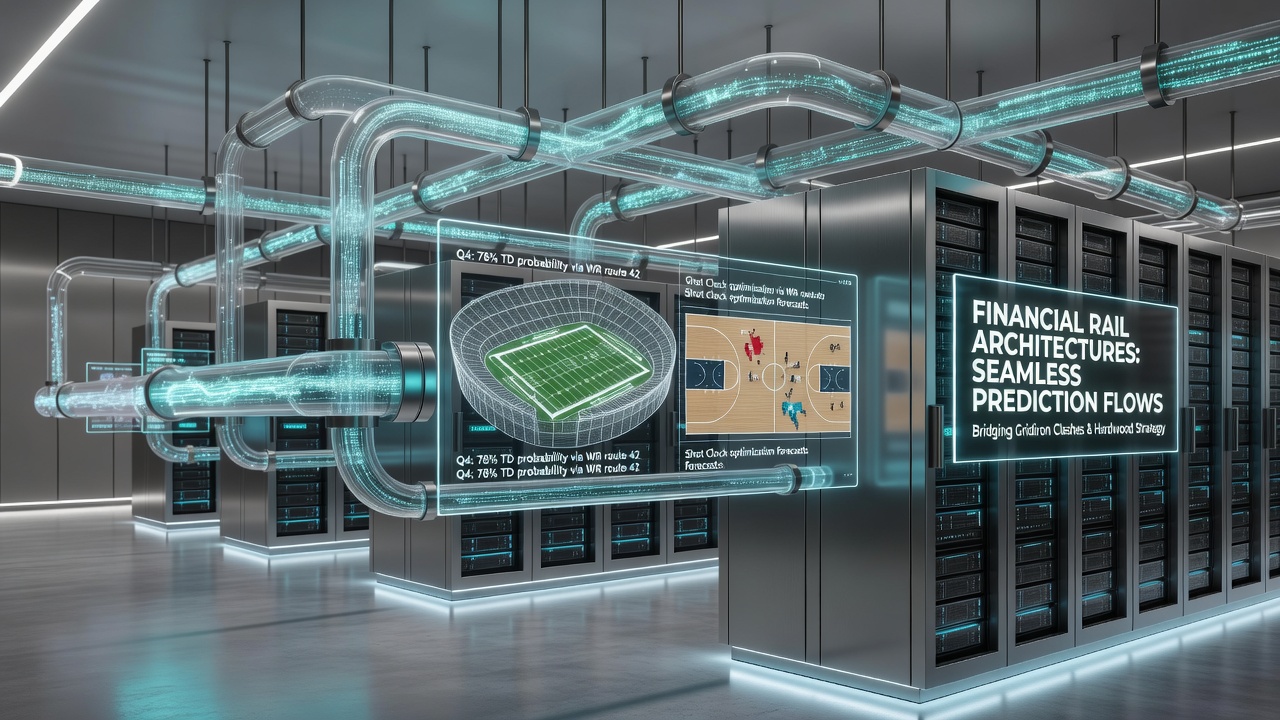
Table-Based Entertainment Connected Through the Same Networks
Casino table games such as blackjack and roulette operate on continuous random-number or live-dealer feeds that require sub-second balance updates, and the financial rails already proven in sports verticals now extend identical settlement logic to these table environments. A user who places a halftime gridiron prediction can shift remaining funds into a live roulette wheel spin while the rail architecture maintains a single audit trail that satisfies both sports and gaming regulatory jurisdictions.
Research published by the University of Nevada's International Gaming Institute documents that operators using unified payment rails recorded a 34 percent reduction in declined transactions when players moved from sports predictions to table games, because the system retains real-time fraud scoring across all categories rather than resetting risk parameters at each vertical boundary.
Regulatory Reporting and June 2026 Developments
State gaming commissions in multiple U.S. jurisdictions updated data-sharing requirements in June 2026 to capture cross-vertical transaction metadata, which compels operators to tag every rail movement with both sports and casino identifiers so that tax and responsible-gaming calculations remain accurate regardless of where the prediction originated. These mandates align with similar frameworks already operating in Canadian provinces and Australian states, where unified reporting has been standard since 2024.
Because the rails embed compliance fields directly into the transaction payload, operators avoid separate reporting pipelines for each vertical, which lowers operational overhead while still satisfying distinct regulatory bodies across regions.
Conclusion
Financial rail architectures now function as the central nervous system for multi-vertical prediction platforms by maintaining continuous balance visibility, sub-second settlement, and unified compliance tagging across gridiron clashes, hardwood contests, baseline exchanges, digital arena matches, and table-based entertainment, and continued standardization of messaging protocols plus expanded regulatory alignment in 2026 are expected to further reduce friction for users who navigate between these categories within a single session.