Gambling Operators Roll Out Fresh Tools as Prediction Markets Expand Their Reach Ahead of the 2026 World Cup
Parker Müller · Jun 8, 2026

Gambling Operators Roll Out Fresh Tools as Prediction Markets Expand Their Reach Ahead of the 2026 World Cup
Traditional gambling operators have started deploying new product features designed to retain market share while prediction platforms continue to attract users for major events like the 2026 World Cup, according to industry tracking data. These developments come as event-based wagering sees increased activity across multiple formats and prediction markets report higher trading volumes on football outcomes.
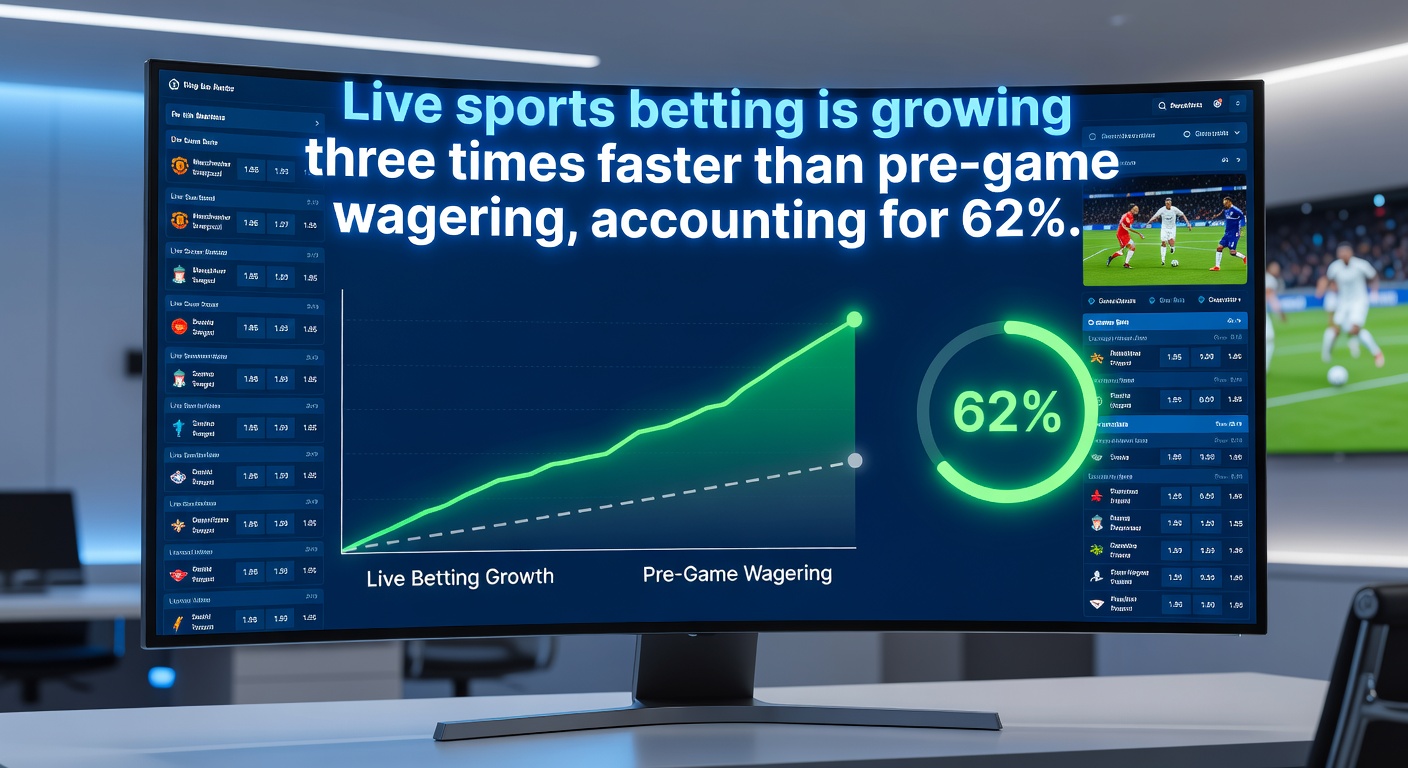
Operators in regulated markets have introduced enhanced in-play interfaces, customised odds dashboards, and integrated data feeds that allow users to adjust positions during matches, and these tools aim to match the flexibility that some prediction platforms offer through direct contract trading. The push follows observations that certain bettors have shifted portions of their activity toward platforms where participants buy and sell shares in specific event results rather than placing fixed-odds wagers.
Shifts in User Activity Patterns
Data from multiple jurisdictions shows prediction markets handling a growing share of total event betting turnover, particularly on high-profile tournaments, while established operators respond by expanding their feature sets. Figures compiled ahead of the 2026 tournament indicate that volumes on certain prediction exchanges have risen steadily since 2024, prompting gambling groups to accelerate development timelines for new interfaces and settlement mechanisms.
One operator group recently launched a feature allowing users to trade positions mid-match without returning to a full order book, and another introduced a predictive analytics overlay that displays historical performance metrics alongside live odds. These additions reflect efforts to keep pace with trading-style interfaces that prediction markets have popularised, where participants can exit or adjust exposure at any time before an event concludes.
Technical and Regulatory Context
Regulatory frameworks in several regions require operators to maintain clear separation between fixed-odds products and any peer-to-peer style offerings, yet both categories operate under the same licensing umbrellas in markets such as the United Kingdom and parts of Europe. Compliance teams have worked to ensure new features meet existing rules on transparency and responsible gambling prompts while still delivering competitive functionality.
Settlement speed remains a key differentiator, with some prediction platforms processing resolutions within minutes of official results while traditional operators continue to refine automated verification systems. June 2026 will mark the opening matches of the expanded World Cup, and both sectors have scheduled additional server capacity and liquidity support to handle anticipated volume spikes during the group stages and knockout rounds.
Market Response and Product Development
Industry observers note that gambling groups have formed dedicated product teams focused on prediction-style mechanics, including limit-order style betting and partial cash-out options that mirror elements found on decentralised platforms. These teams have drawn on user feedback sessions where participants requested greater control over position management during live matches.
Meanwhile, prediction market operators have expanded their football coverage by listing additional contract types such as player performance milestones and half-time score ranges, and this broadening of offerings has contributed to the reported increase in active accounts. Traditional operators have countered by bundling new features with existing loyalty programmes, allowing users to earn tiered rewards based on engagement across both pre-match and in-play products.
Payment infrastructure updates have accompanied these product changes, with several operators integrating faster withdrawal rails that align processing times more closely with those advertised by prediction platforms. Security protocols remain consistent across both categories, relying on established encryption standards and third-party audits to protect user funds and transaction records.
Looking Toward the 2026 Tournament
Preparations for the 2026 World Cup have intensified across the sector, with operators and prediction platforms alike updating their risk-management models to account for the tournament's larger field and additional matchdays. Historical data from previous World Cups shows elevated betting activity during opening weeks, and current projections suggest similar patterns will emerge once the 2026 schedule begins.
Collaboration between data providers and both types of platforms has increased, ensuring that live statistics and official result feeds remain synchronised. This alignment supports accurate pricing on traditional books and timely contract resolution on prediction exchanges, reducing discrepancies that could affect user trust during high-stakes periods.
Conclusion
The competitive landscape between established gambling operators and prediction markets continues to evolve as each side refines its offerings ahead of the 2026 World Cup. Operators have introduced targeted features while prediction platforms expand contract variety, and both approaches operate within existing regulatory structures. Industry data indicates sustained growth in event betting volumes, with June 2026 expected to test the capacity and resilience of these updated systems across multiple jurisdictions. World Cup sparks betting battle between bookmakers and prediction markets provides further background on these developments.