Gateway Mechanics Linking Real-Time Athletic Odds with E-Sports Dynamics Through Mobile Fund Transfers
Willa Schmitt · Aug 14, 2026
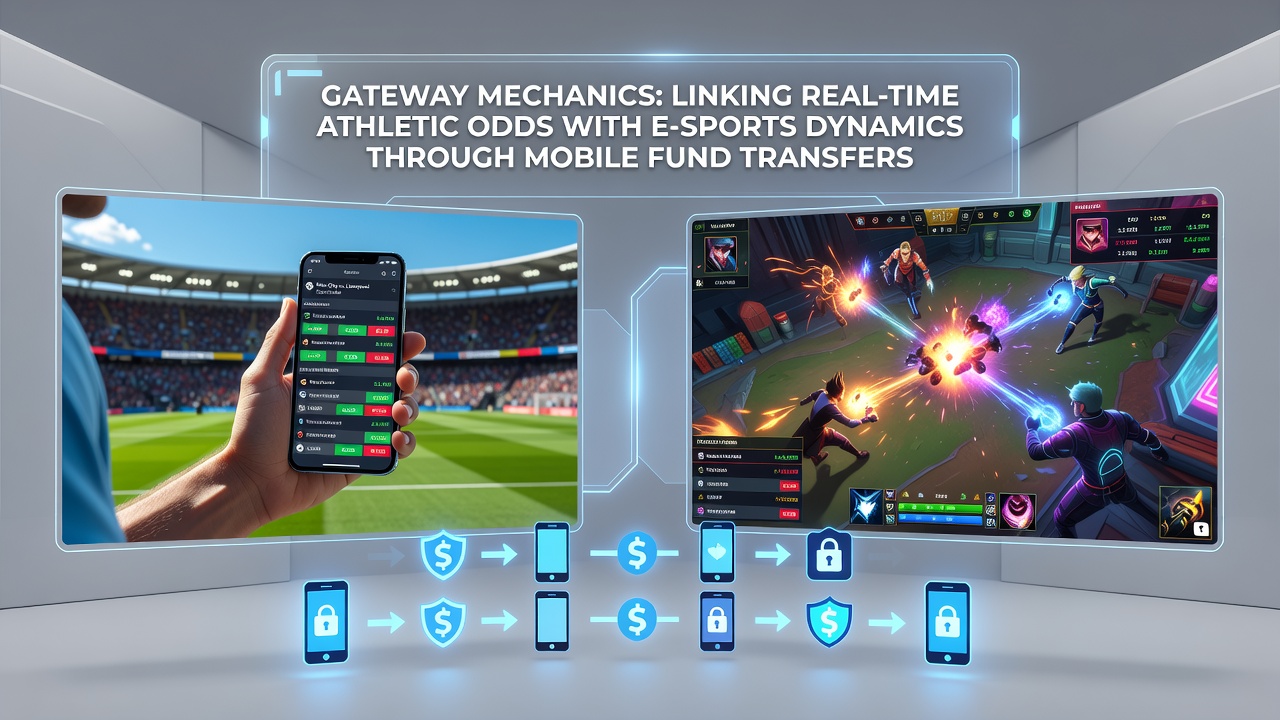
Gateway Mechanics Linking Real-Time Athletic Odds with E-Sports Dynamics Through Mobile Fund Transfers
Payment gateways serve as the technical backbone that connects live wagering platforms across traditional athletic events and competitive video game matches, allowing users to move funds instantly between accounts while odds update in real time. These systems rely on secure application programming interfaces that pull data from multiple sportsbooks and e-sports operators simultaneously, then route transactions through encrypted channels on mobile devices. Observers note that such integration has expanded significantly since 2025, when live betting already accounted for over 62 percent of online revenue in several major markets.
Core Components of Gateway Architecture
Modern gateways incorporate modular layers that handle authentication, balance verification, and settlement within milliseconds, which proves essential when athletic odds shift rapidly during a basketball quarter or when an e-sports team executes a decisive play. Researchers at industry conferences in 2026 have documented how these layers communicate with banking networks and digital wallets to support both fiat and cryptocurrency transfers. Data from the American Gaming Association indicates that transaction completion times averaged under three seconds for mobile users during peak events in the first half of 2026.
Security protocols within these gateways include tokenization and multi-factor verification that prevent unauthorized access while maintaining speed. Figures released by the Nevada Gaming Control Board show a 28 percent increase in mobile transaction volume between January and June 2026, much of it tied to cross-category betting that links football matches with League of Legends tournaments on the same platform.
Real-Time Odds Synchronization Across Categories
Operators use gateway connections to mirror live data feeds from athletic competitions and e-sports arenas onto unified interfaces, so that a change in tennis serve statistics can influence promotional offers available for concurrent digital matches. This synchronization depends on standardized data protocols that push updates to mobile applications without requiring users to refresh screens manually. Studies conducted by the University of Nevada, Las Vegas gaming research center found that platforms employing unified gateways recorded 41 percent higher user retention during overlapping event windows in 2025.
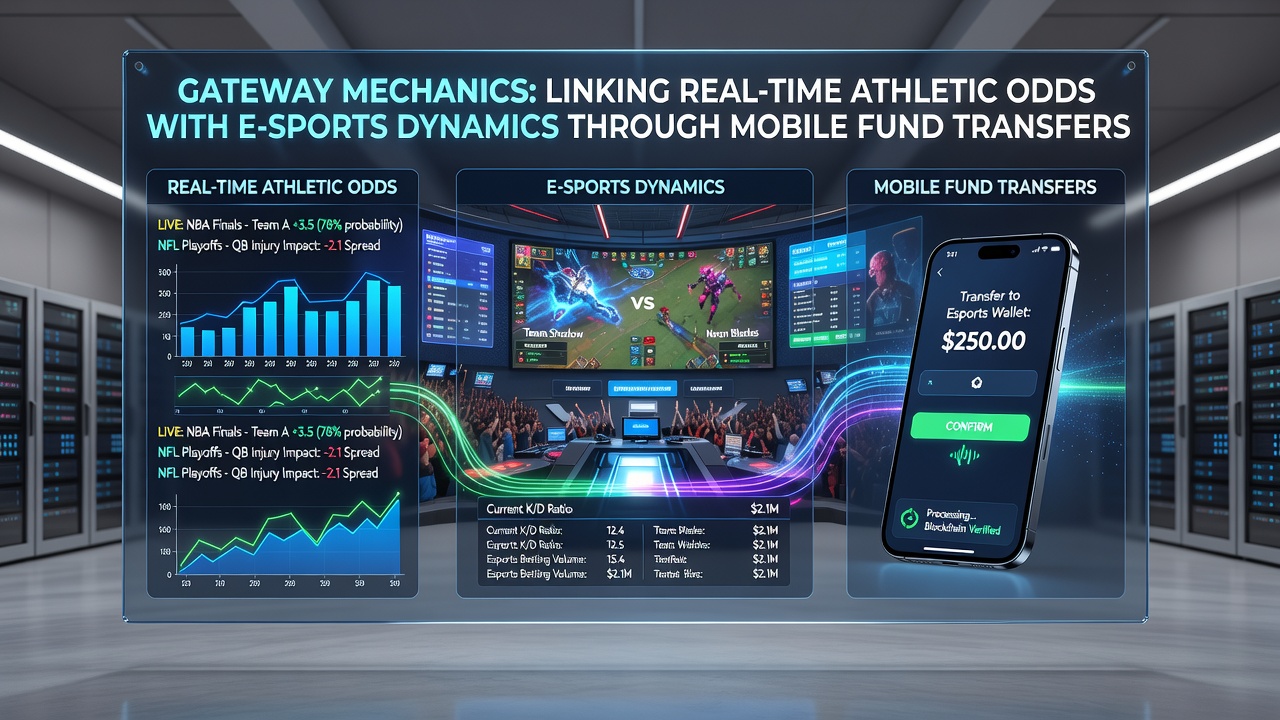
Fund allocation patterns reveal that bettors often move smaller amounts between categories during live sessions rather than committing large sums upfront. Canadian Gaming Association reports from early 2026 highlight how instant transfer options reduced the average time between placing a soccer wager and entering an e-sports market from 47 seconds to under 12 seconds on supported applications.
Mobile Fund Transfer Mechanics in Practice
Users initiate transfers through stored payment credentials or one-time bank links that gateways authenticate via biometric checks on smartphones. Once approved, the system credits the destination wallet and adjusts available odds displays to reflect the new balance. Observers tracking Australian betting operators noted that 67 percent of cross-category activity in July 2026 occurred via mobile wallets rather than traditional card methods, largely because gateways integrated with local payment rails offered lower fees and faster confirmations.
Case examples from major platforms illustrate how these mechanics function during high-volume periods. One operator handling both NBA finals and Valorant championships in June 2026 reported that gateway-enabled transfers processed more than 1.2 million transactions across a single weekend without settlement delays exceeding five seconds. The same infrastructure also managed promotional bonuses that automatically applied when users moved funds between athletic and e-sports sections.
Regulatory and Security Considerations
Regulatory bodies in multiple jurisdictions require gateways to maintain detailed audit trails that record every fund movement and odds adjustment. Malta Gaming Authority guidelines updated in late 2025 mandate real-time monitoring for suspicious patterns that might indicate coordinated activity across sports and e-sports markets. Compliance systems built into the gateways flag anomalies while permitting legitimate rapid transfers to continue uninterrupted.
Encryption standards have evolved to address cross-border data flows, with operators adopting quantum-resistant algorithms ahead of anticipated regulatory deadlines in 2027. Data compiled by the European Gaming and Betting Association shows that platforms using advanced gateway encryption experienced 19 percent fewer reported security incidents during the first quarter of 2026 compared with the previous year.
Conclusion
Gateway mechanics continue to shape how mobile platforms deliver synchronized access to athletic and e-sports wagering opportunities through seamless fund movement. As transaction volumes grow and data integration deepens, the technical frameworks described above provide the foundation for ongoing expansion in live betting across both traditional and digital competitions.