Layered Verification Flows Guiding Stake Adjustments Across Ongoing Football Clashes Basketball Sequences Racket Exchanges and Virtual Arena Matchups on Portable Networks
Parker Müller · Jun 17, 2026
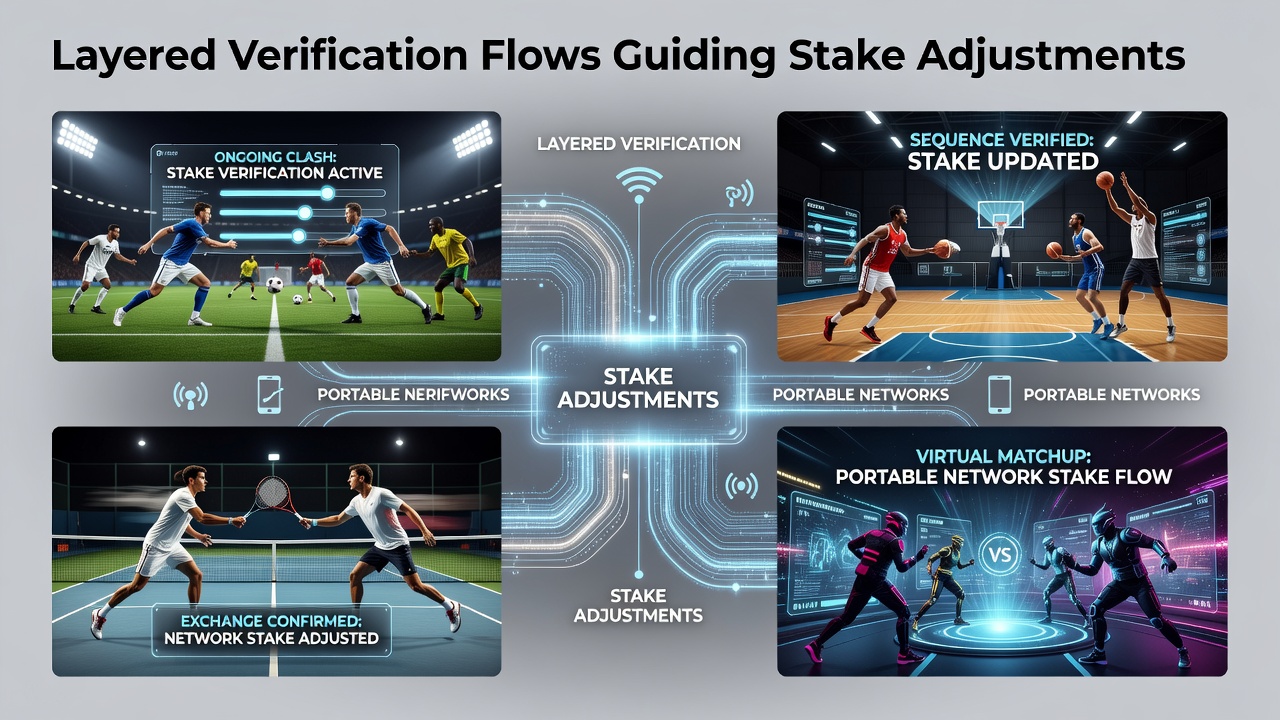
Layered Verification Flows Guiding Stake Adjustments Across Ongoing Football Clashes Basketball Sequences Racket Exchanges and Virtual Arena Matchups on Portable Networks
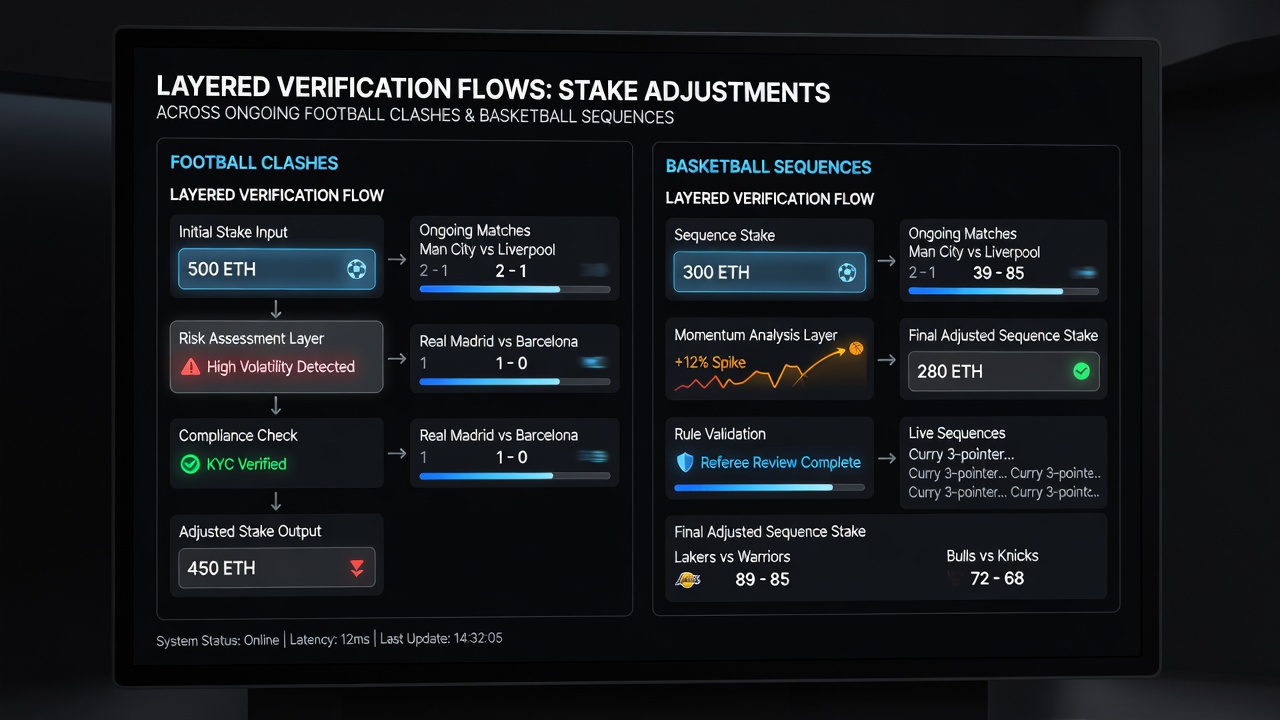
Layered verification flows operate as sequential checkpoints within mobile betting platforms that authenticate user actions before permitting stake modifications during live events and these systems integrate identity confirmation transaction validation and risk assessment modules to maintain operational integrity across football basketball tennis and e-sports competitions.
Operators deploy these flows to handle real-time adjustments where bettors increase or decrease wagers mid-match while portable networks transmit data through encrypted channels that trigger automated reviews at each layer and data from industry reports indicate such mechanisms processed substantial portions of in-play activity throughout early 2026.
Core Components of Verification Layers in Mobile Environments
Initial authentication requires device fingerprinting alongside biometric or PIN entry that confirms account ownership before any stake change proceeds and subsequent layers examine account history alongside current balance to flag potential irregularities while a final compliance check aligns adjustments with jurisdictional limits and this sequence unfolds within milliseconds on most handheld devices supporting major operating systems.
Football clashes present continuous scoring opportunities that prompt frequent stake revisions and verification flows adapt by prioritizing rapid transaction scans during high-volume periods such as stoppage time whereas basketball sequences feature shorter quarters that allow slightly extended review windows without disrupting user engagement and racket exchanges in tennis introduce variable rally lengths that influence adjustment timing across sets and games.
Application Across Football Basketball Racket Sports and Virtual Arenas
During football matches verification protocols monitor live odds fluctuations tied to goals or cards before authorizing increased stakes on next-goal markets and operators record these adjustments through timestamped logs that support audit trails required by regulatory frameworks in multiple regions and similar patterns emerge in basketball where timeout situations create brief pauses that accommodate additional validation steps without halting the overall flow.
Racket sport engagements such as tennis rallies generate intermittent momentum shifts that bettors often follow with stake recalibrations and layered systems apply sport-specific risk parameters to evaluate exposure on set or game outcomes while virtual arena matchups in e-sports environments rely on algorithmic event detection that feeds directly into verification queues enabling near-instant processing across global servers and portable connections maintain consistency through adaptive bandwidth allocation.
Network and Security Considerations for Portable Platforms
Portable networks introduce variables including signal strength and latency that verification flows accommodate through fallback protocols which pause adjustments until stable connections resume and encryption standards protect data packets traversing these layers while maintaining compatibility with 5G and emerging 6G test deployments noted in technical updates from mid-2026 and operators coordinate with telecommunications providers to minimize disruptions during peak event windows.
Studies from academic institutions highlight how multi-factor authentication embedded in these flows reduces unauthorized modifications across device types and geographic markets and figures from European regulatory summaries show increased adoption of such layered approaches correlating with expanded live betting volumes in regulated jurisdictions through the first half of 2026.
Integration with Broader Platform Operations
Stake adjustment verification connects directly to promotional systems that apply bonus eligibility checks within the same sequence and this integration ensures compliance when users shift wagers between football basketball tennis or virtual competitions without separate authentication cycles and platform analytics track aggregate patterns that inform future layer refinements while preserving individual session privacy.
Regulatory bodies in Australia and Canada have documented similar verification architectures in operator submissions and these records demonstrate consistent application across sports categories that include both traditional athletic events and simulated digital matchups and coordination between technology providers and compliance teams continues to evolve these flows in response to updated technical standards.
Conclusion
Layered verification flows establish structured pathways that support precise stake management throughout live football basketball racket and virtual competitions on mobile networks and their continued refinement aligns with expanding regulatory expectations and technological capabilities observed into June 2026 while enabling secure participation across diverse portable environments and event types.