Mapping the Evolution of Deposit Options Fueling Combined Athletic and Virtual Arena Predictions Through Portable Platforms
Blake Reed · Jul 8, 2026
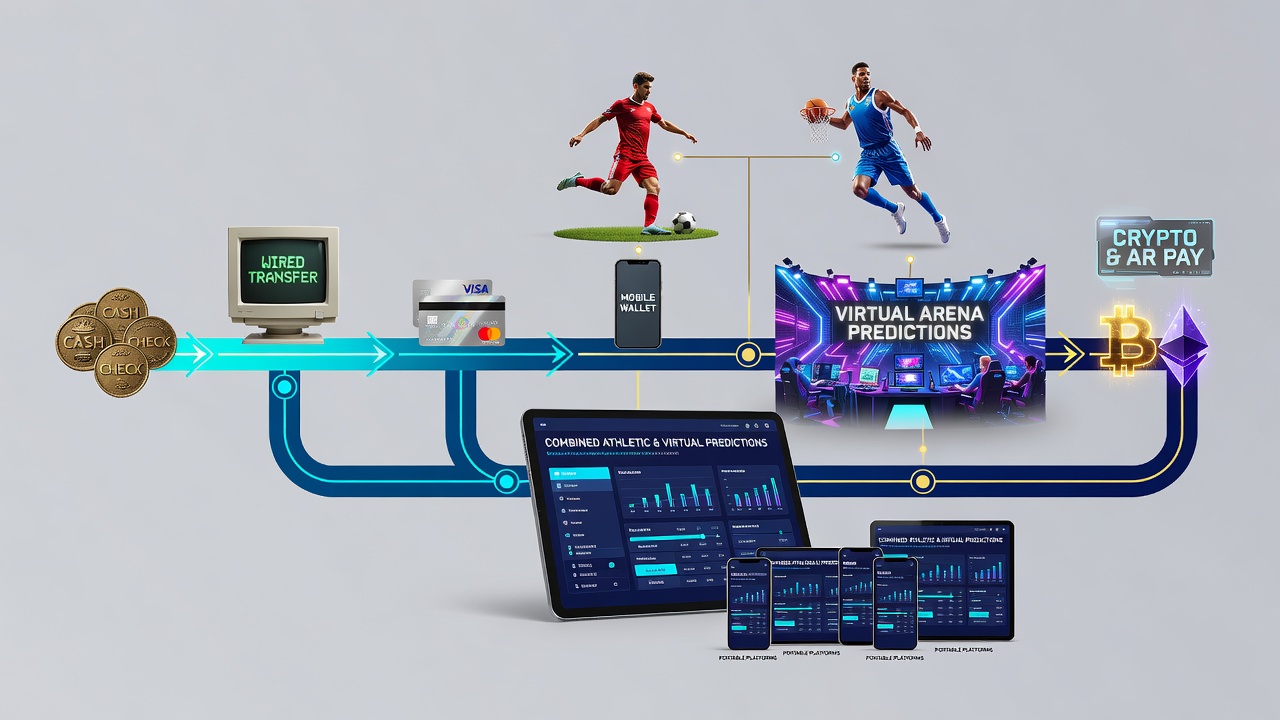
Mapping the Evolution of Deposit Options Fueling Combined Athletic and Virtual Arena Predictions Through Portable Platforms
Early Foundations of Mobile Transaction Systems
Deposit methods for betting platforms began shifting toward mobile compatibility around 2015 as smartphone adoption accelerated worldwide, and operators responded by integrating basic digital wallets that allowed users to fund accounts without desktop access. Research from industry reports shows these early systems relied heavily on credit card processing and bank transfers, which often involved delays of several hours or even days before balances became available for wagers on athletic events or emerging virtual competitions.
Payment providers introduced faster options such as e-wallets during this period, and data from regulatory filings indicate that adoption rates climbed steadily as users sought immediate access to live betting markets spanning traditional sports and digital simulations. Those who've tracked these changes note that portable devices became central because they combined real-time data feeds with quick transaction confirmations, creating pathways for bettors to engage across multiple prediction types without switching platforms.
Growth Patterns in Integrated Prediction Markets
By 2020 operators had expanded deposit features to support combined athletic and virtual arena wagers, with systems that processed payments through encrypted channels while maintaining compatibility across operating systems. Figures from market analyses reveal that mobile transaction volumes for these hybrid markets grew at double-digit rates annually, driven by seamless links between funding tools and interfaces that displayed odds for football matches alongside esports tournaments and simulated events.
Specialized processors emerged to handle instant transfers, and according to data compiled by gaming associations these tools reduced friction in funding accounts for users who placed wagers on both physical competitions and virtual arenas during the same session. Observers point out that integration of these options coincided with broader platform updates that allowed predictive activity across categories without separate logins or funding steps.
Current Developments in July 2026
In July 2026 transaction networks continue to evolve with support for instant bank connections and cryptocurrency gateways that cater to combined athletic and virtual predictions on handheld devices. Reports from the American Gaming Association highlight how these methods now account for rising shares of mobile deposits, enabling users to move funds between sports betting markets and esports or simulation-based wagers within seconds.
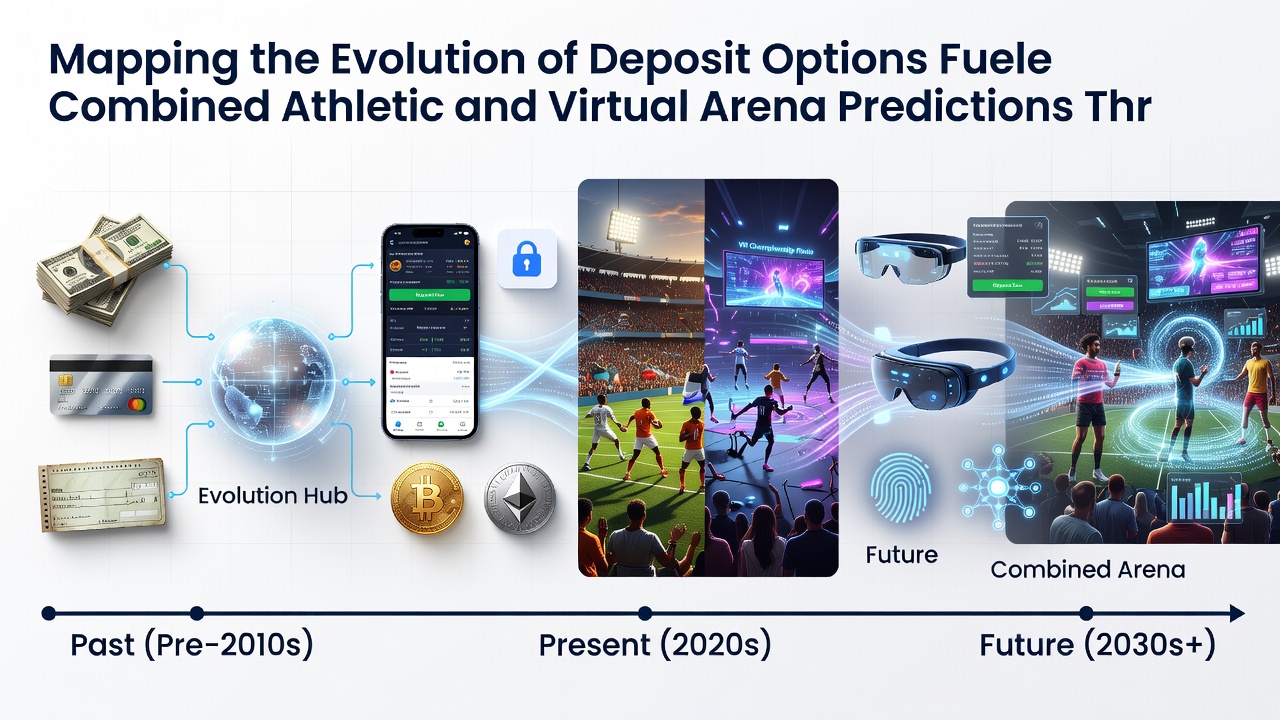
Payment innovations include layered verification processes that comply with regional standards while speeding up approvals, and evidence from European gaming studies shows improved user retention when deposits support cross-category activity without additional verification hurdles. What's interesting is how these systems now incorporate biometric checks on portable hardware, allowing quick authorization for predictions that blend live sports data with virtual arena outcomes.
Technical Integration Across Device Ecosystems
Portable platforms have incorporated APIs that connect deposit gateways directly to prediction engines, and research indicates this linkage supports real-time adjustments when users shift focus between athletic events and virtual matches. Developers built these connections to handle varied currencies and payment types, ensuring that funding remains consistent regardless of whether the wager targets a basketball game or an esports title.
Case examples from operators demonstrate that unified transaction logs help track activity across categories, while data from academic papers on digital finance in gaming reveal patterns where faster deposits correlate with higher engagement in hybrid markets. Those monitoring these trends note that security protocols have advanced in tandem, using encryption that protects transfers during high-volume periods without slowing processing speeds.
Regulatory Influences on Payment Evolution
Government agencies in multiple regions have shaped deposit standards through updated guidelines that emphasize transparency and speed for mobile users engaged in athletic and virtual predictions. Information released by bodies such as the Nevada Gaming Control Board shows how compliance requirements led to standardized testing of transaction systems, resulting in broader availability of instant funding options that work across device types.
Industry groups including the European Gaming and Betting Association have documented similar shifts, with reports noting that these regulations encourage innovation in payment methods while maintaining safeguards for cross-border activity. Observers highlight that such frameworks have supported growth in combined prediction offerings because they provide clear pathways for operators to expand deposit capabilities without regulatory delays.
Conclusion
The progression of deposit options has aligned closely with the expansion of mobile platforms that host both athletic and virtual arena predictions, creating interconnected systems that process transactions efficiently across categories. Data continues to show steady integration of new payment technologies that respond to user demands for speed and versatility in funding accounts. As portable interfaces advance further, transaction networks remain positioned to support ongoing developments in these combined markets through established and emerging methods alike.