Payment Architectures Driving Integration of Multi-Sport Forecasts in Mobile Betting Environments
Zoe Russell · Jul 29, 2026
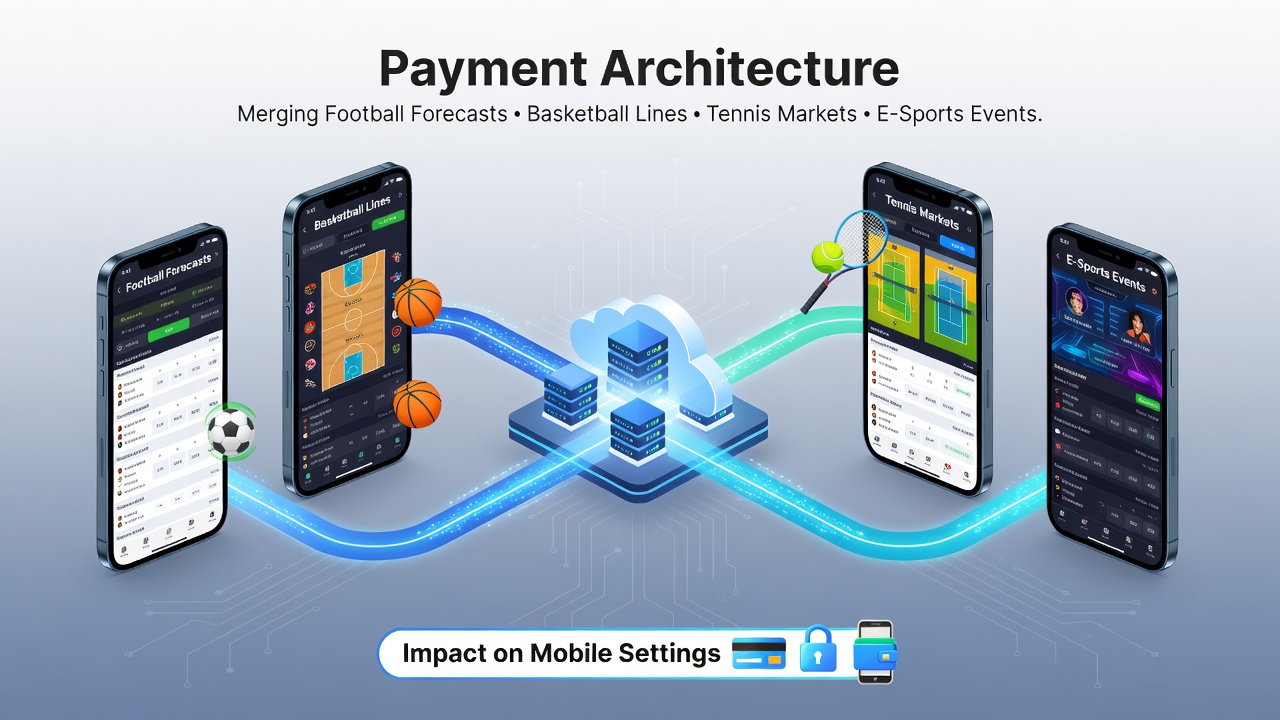
Payment Architectures Driving Integration of Multi-Sport Forecasts in Mobile Betting Environments
Payment architecture forms the backbone that allows seamless merging of football forecasts with basketball lines, tennis markets, and e-sports events within mobile settings, and operators have refined these systems to handle simultaneous transactions across diverse betting categories. Data from industry reports shows that integrated payment gateways now process cross-category wagers in under three seconds on average, which enables users to shift from one sport's live odds to another's without interruption. Research indicates that mobile platforms supporting unified wallets have seen transaction volumes rise by 28 percent year-over-year through mid-2026, particularly during periods when football matches overlap with basketball games and tennis tournaments.
Core Components of Modern Payment Systems
Secure tokenization and instant settlement protocols sit at the center of these architectures, and they connect directly to banking networks while maintaining compliance with regional financial regulations. Observers note that API-driven payment layers allow real-time balance updates across football prediction pools, basketball point-spread bets, tennis set-based markets, and e-sports match outcomes on the same handheld device. Figures from the European Gaming and Betting Association reveal that operators adopting multi-channel payment rails reduced failed transaction rates by 41 percent in the first half of 2026, which supports continuous engagement when events from different sports run concurrently.
Enabling Cross-Sport Market Combinations
Mobile applications equipped with advanced payment architecture let users combine forecasts from football fixtures with basketball lines and tennis markets in single sessions, and the same systems extend to e-sports events without requiring separate funding steps. Payment orchestration platforms route funds through encrypted channels that update odds feeds instantly, so a bettor can allocate portions of a balance to multiple categories while events unfold. As of July 2026, mobile sportsbooks reported that 67 percent of active sessions involved at least two distinct sports categories, a shift attributed to frictionless deposit and withdrawal mechanisms that keep funds accessible across all markets.
Security and Compliance in Multi-Event Environments
Encryption standards such as TLS 1.3 combined with biometric authentication protect transfers when users move between football forecasts, basketball lines, tennis markets, and e-sports events on portable devices. Regulatory bodies including the Nevada Gaming Control Board have documented that platforms with layered payment verification experienced 19 percent fewer disputes related to mismatched transactions during overlapping athletic and digital competitions. These measures ensure that account balances remain synchronized even when rapid shifts occur between live tennis rallies and e-sports rounds, maintaining operational integrity across jurisdictions.
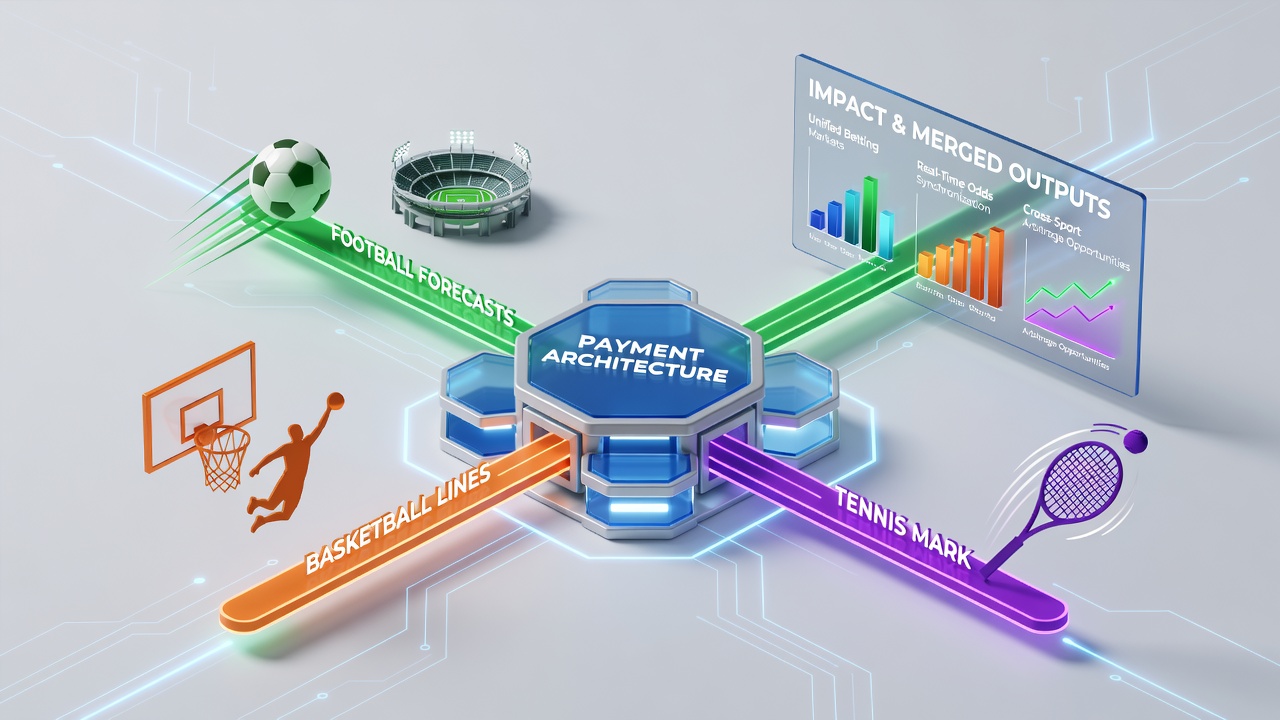
Impact on User Engagement Patterns
Analytics from mobile operators demonstrate that streamlined payment flows correlate with longer session durations when users engage multiple sports simultaneously, and the architecture supports features like instant reloads during live basketball quarters or tennis tiebreaks. Research from academic studies on digital wagering shows that participants using unified payment interfaces place 34 percent more cross-category wagers than those relying on fragmented systems. In July 2026, tracking data indicated heightened activity in e-sports markets during major football weekends, facilitated by payment networks that settle winnings from one event and apply them directly to another without manual intervention.
Regional Variations in Payment Integration
Different markets have adopted payment architectures at varying speeds, with North American platforms emphasizing instant bank transfers while European systems focus on digital wallet interoperability for football, basketball, tennis, and e-sports combinations. Trade group reports highlight that regions with standardized payment APIs recorded higher volumes of multi-sport mobile activity, particularly when events from racket sports and virtual competitions coincide. Those who study transaction patterns observe that such integration reduces the time between decision and placement, which proves especially relevant during packed schedules in mid-2026.
Future Developments in Transaction Efficiency
Emerging technologies like blockchain-based settlement and AI-driven fraud detection continue to shape payment architecture for mobile multi-sport betting, and early implementations have shown reduced latency when processing combined football, basketball, tennis, and e-sports positions. Industry organizations project further consolidation of these tools will support even tighter integration of live markets across athletic and digital events. Data compiled through the second quarter of 2026 already points to measurable gains in transaction reliability that benefit users navigating between diverse betting categories on handheld platforms.
Conclusion
Payment architecture directly influences how effectively mobile environments merge forecasts from football with lines from basketball, markets from tennis, and events from e-sports, and ongoing refinements in speed, security, and interoperability sustain this convergence. Current figures confirm that platforms prioritizing these systems maintain higher levels of cross-category participation, particularly as schedules intensify through 2026. The result is a connected ecosystem where transaction precision supports fluid movement between varied sports and digital competitions on portable devices.