Payment Pathway Preferences Among Bettors Engaging with Real-Time Athletic and Esports Events on Handheld Devices
Avery Meier · Aug 26, 2026
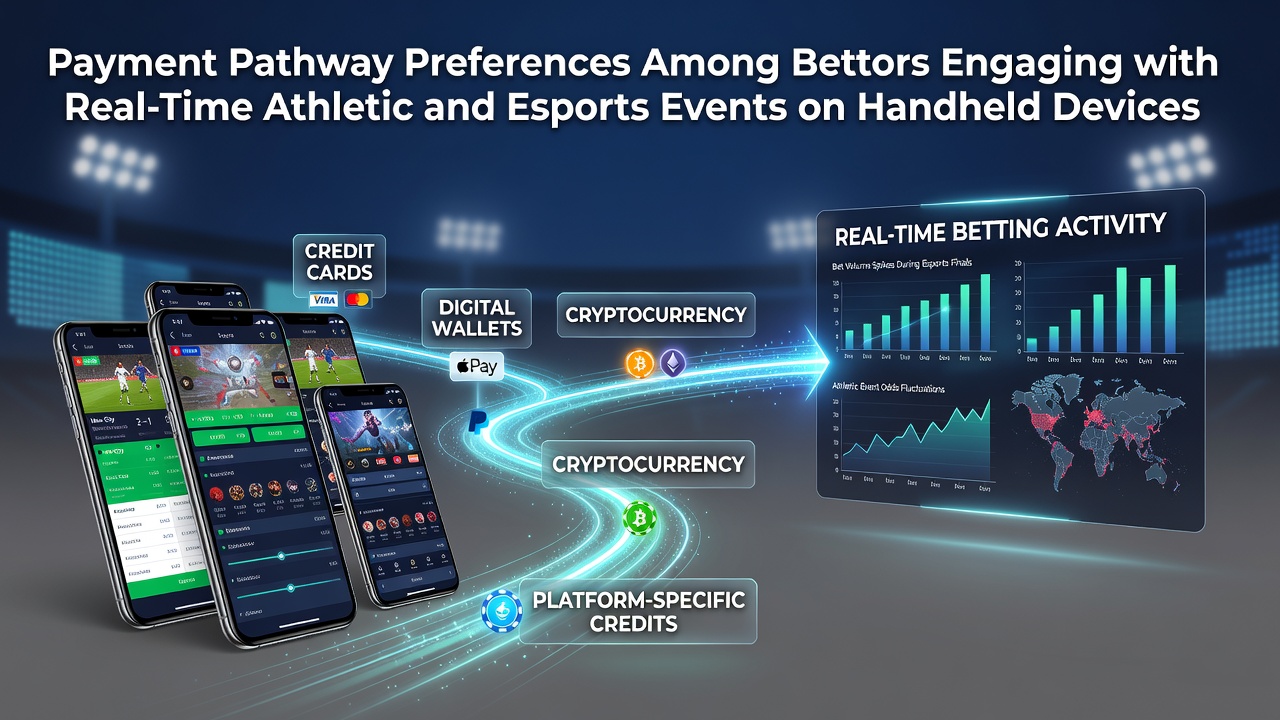
Payment Pathway Preferences Among Bettors Engaging with Real-Time Athletic and Esports Events on Handheld Devices
Payment methods have become central to how individuals place wagers during live athletic events and esports competitions on smartphones and tablets, with data from 2025 showing mobile transactions accounting for over 70 percent of all real-time bets in major markets. Researchers tracking these patterns note that speed and reliability drive choices more than traditional factors like brand familiarity, while security features such as encryption and instant verification continue to shape which options gain traction among different user groups.
Mobile Live Betting Growth and Transaction Patterns
Live betting volumes on handheld devices expanded rapidly through the first half of 2026, with esports matches and in-game athletic wagers leading the shift away from pre-event placements. Figures released by the American Gaming Association indicate that real-time wagers now represent more than 62 percent of online sports betting revenue in regulated U.S. states, a trend mirrored in several European and Asian jurisdictions where mobile penetration exceeds 80 percent among active bettors. Observers note that participants often complete deposits and withdrawals within the same session, creating demand for pathways that process funds in under 30 seconds without interrupting the viewing experience on a single screen.
Preferred Payment Categories
Digital wallets continue to dominate mobile preferences for both athletic events and esports, particularly among users aged 18 to 34 who favor platforms supporting instant transfers and low or zero fees during peak match periods. Bank transfers via open banking protocols rank second in several regions because they link directly to existing accounts and reduce the need for multiple verification steps. Cryptocurrency options appear more frequently in esports communities, where participants value anonymity and borderless movement of funds, although adoption remains lower in traditional sports betting segments according to transaction logs analyzed through mid-2026.
Payment preferences also vary by event type, with longer-duration contests such as basketball or tennis rallies showing higher use of credit and debit cards for incremental top-ups, whereas fast-paced esports titles correlate with higher volumes through e-wallets and prepaid vouchers. Those tracking these behaviors report that bettors frequently maintain multiple active methods on the same device, switching based on available promotions or current network conditions during live play.
Regional Variations in August 2026
Data collected through August 2026 reveals distinct regional clusters in payment pathway selection. North American markets show strong uptake of integrated banking apps that enable one-tap deposits tied to regulated operators, while European users lean toward established e-wallet services that already comply with cross-border rules. In parts of Asia, mobile carrier billing and local digital payment super-apps handle a growing share of esports wagers because they align with existing daily transaction habits. Industry reports compiled by the European Gaming and Betting Association highlight that security certifications and responsible gambling tool integration now rank among the top three factors influencing method selection across these regions.
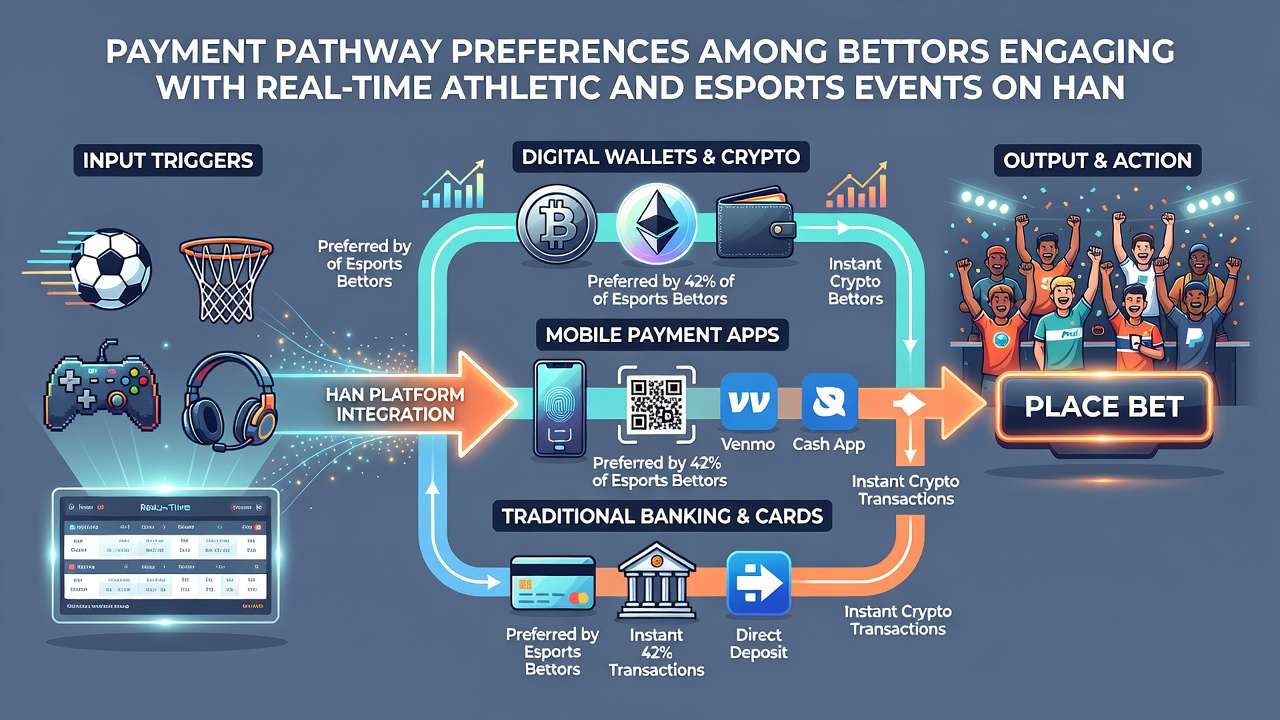
Transaction volume spikes occur during major tournaments, prompting operators to adjust processing capacity and introduce temporary incentives such as fee waivers or bonus credits for specific pathways. Researchers examining August 2026 activity found that average session length for mobile live betting increased when users encountered fewer friction points at the deposit stage, leading some platforms to streamline verification for returning accounts.
Security and Compliance Factors
Encryption standards and multi-factor authentication remain non-negotiable requirements for sustained user engagement, especially when bets cross international lines during global esports events. Regulatory updates in several jurisdictions through 2026 have required operators to display real-time fee information and processing times before each transaction, a change that has influenced how bettors compare available options on handheld interfaces. Those monitoring compliance data note that platforms offering transparent audit trails for both deposits and withdrawals maintain higher retention rates during extended live sessions.
Emerging Integration Trends
Integration between payment systems and in-app betting interfaces continues to evolve, with some operators embedding direct links to digital wallets inside the live odds display. This setup reduces the number of screen transitions required during fast-moving athletic or esports action. Academic studies from research institutions in Canada and Australia have documented that such seamless connections correlate with increased frequency of small, repeated wagers rather than larger single placements.
Future pathway developments appear tied to broader mobile payment infrastructure improvements, including wider support for biometric confirmations and tokenized card details that limit exposure of sensitive information. Transaction data from the opening months of 2026 already shows measurable uptake of these features among users who engage with both traditional sports and esports on the same device.
Conclusion
Payment pathway preferences among mobile bettors reflect a combination of speed requirements, regional infrastructure, and security expectations that differ across athletic and esports contexts. Ongoing data collection through 2026 continues to map how these choices evolve alongside device capabilities and regulatory frameworks, providing operators and analysts with clearer pictures of transaction behavior during live events.