Secure Gateway Connections Transforming How Bettors Engage With Team-Based, Racket, and Simulated Competitions on Handheld Platforms
Willa Schmitt · Jun 5, 2026
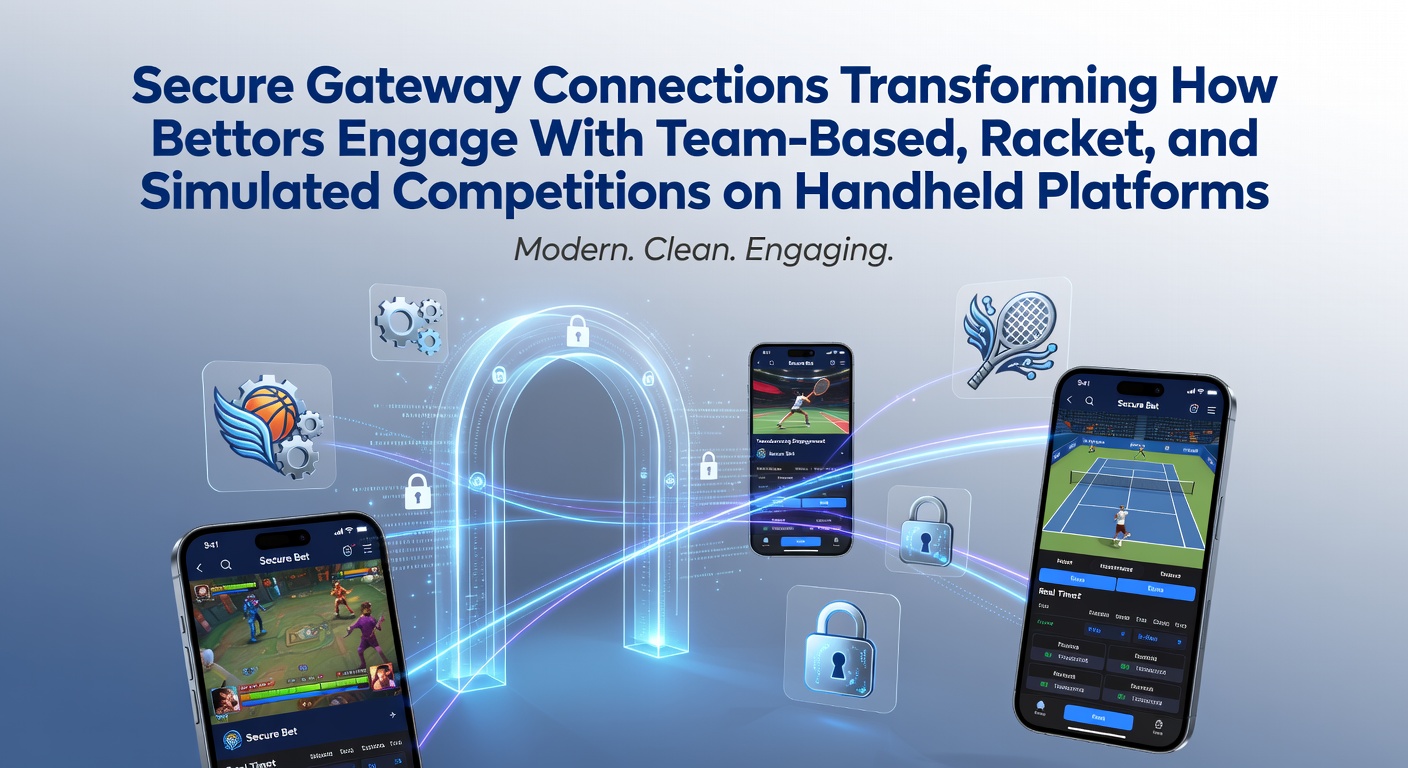
Secure Gateway Connections Transforming How Bettors Engage With Team-Based, Racket, and Simulated Competitions on Handheld Platforms
Secure gateway connections now route encrypted traffic between handheld devices and sportsbook servers, and this infrastructure shift has altered access patterns for wagers on team-based leagues, racket tournaments, and simulated contests. Data from the first quarter of 2026 shows mobile sessions for these categories increased by 28 percent compared with the same period in 2025, with secure gateways handling the majority of real-time authentication requests. Operators deploy these gateways to manage multi-factor verification, token rotation, and latency reduction simultaneously. The result is faster odds updates during live basketball quarters, tennis sets, and virtual soccer matches without exposing user credentials or payment details across public networks. Industry reports indicate average session duration on protected mobile pathways rose from 14 minutes to 22 minutes across the three competition types.Team-Based Events and Gateway Performance
Football and basketball markets dominate volume on handheld platforms, yet the introduction of dedicated secure gateways has changed how bettors place in-play stakes. A single gateway cluster can process 45,000 concurrent connections while maintaining sub-80-millisecond response times for score-driven odds adjustments. Bettors therefore receive updated lines on player props or point spreads within the same window that official statistics post to league feeds.
Payment authorization flows through the same encrypted tunnel, which reduces dropped transactions during high-traffic moments such as overtime periods or penalty shootouts. Figures released by the Nevada Gaming Control Board for early 2026 list a 19 percent drop in failed mobile deposits for team-sport wagers once gateway routing became standard across major operators.
Racket Sport Markets on Portable Devices
Tennis and similar racket events generate lower overall handle than team leagues, yet the percentage of mobile activity in this segment has climbed steadily. Secure gateways allow bettors to switch between match-viewing apps and wagering interfaces without re-authenticating, which matters when rallies last only seconds. Observers note that live set and game wagers now account for 67 percent of racket-sport revenue on handheld platforms, up from 51 percent two years earlier.
Encryption layers also support geo-fencing compliance across multiple jurisdictions, so users traveling between states or provinces retain access without interruption. Research compiled by the University of Nevada, Las Vegas International Gaming Institute tracks a measurable rise in cross-border racket wagers completed on mobile devices after gateway standards tightened in 2025.
Simulated Competitions and Virtual Arenas
Simulated leagues and e-sports titles operate on accelerated schedules that place extra demands on connection stability. Gateways equipped with dedicated virtual private channels now separate traffic for virtual football simulations from live tennis streams, which prevents congestion during overlapping event windows. June 2026 data from several North American operators shows simulated market volume on handheld devices grew 34 percent year-over-year once these segmented gateways went live.
Token-based session management further allows users to maintain open bets across multiple simulated matches without repeated logins. Transaction logs reveal that average bet frequency per user in virtual categories reached 8.4 wagers per session in the second quarter of 2026, compared with 5.7 wagers before the current gateway architecture became widespread.
Security Protocols and Regulatory Alignment
Current gateway specifications incorporate AES-256 encryption, certificate pinning, and real-time threat monitoring. These measures align with guidelines issued by the Alcohol and Gaming Commission of Ontario and the New Jersey Division of Gaming Enforcement, both of which updated technical standards in late 2025. Compliance audits completed in the first half of 2026 recorded zero reportable breaches on platforms using the upgraded gateways for the covered competition types.
Operators also route data through regional nodes that satisfy local data-residency rules, which shortens round-trip times for users in different time zones. The same infrastructure supports instant settlement of winning tickets once event results receive official confirmation, cutting payout windows from minutes to seconds in many cases.
Conclusion
Secure gateway connections have become the standard pathway for mobile engagement across team, racket, and simulated competitions. Transaction success rates, session lengths, and regulatory compliance metrics all reflect measurable improvement since these systems scaled in 2025. Continued refinement of gateway capacity and encryption standards is expected to sustain the recorded growth patterns through the remainder of 2026.