Shifting Transaction Pathways Reshape Stake Allocation Across Racket Events, Team Competitions, and Simulated Contests
Blake Reed · Aug 10, 2026
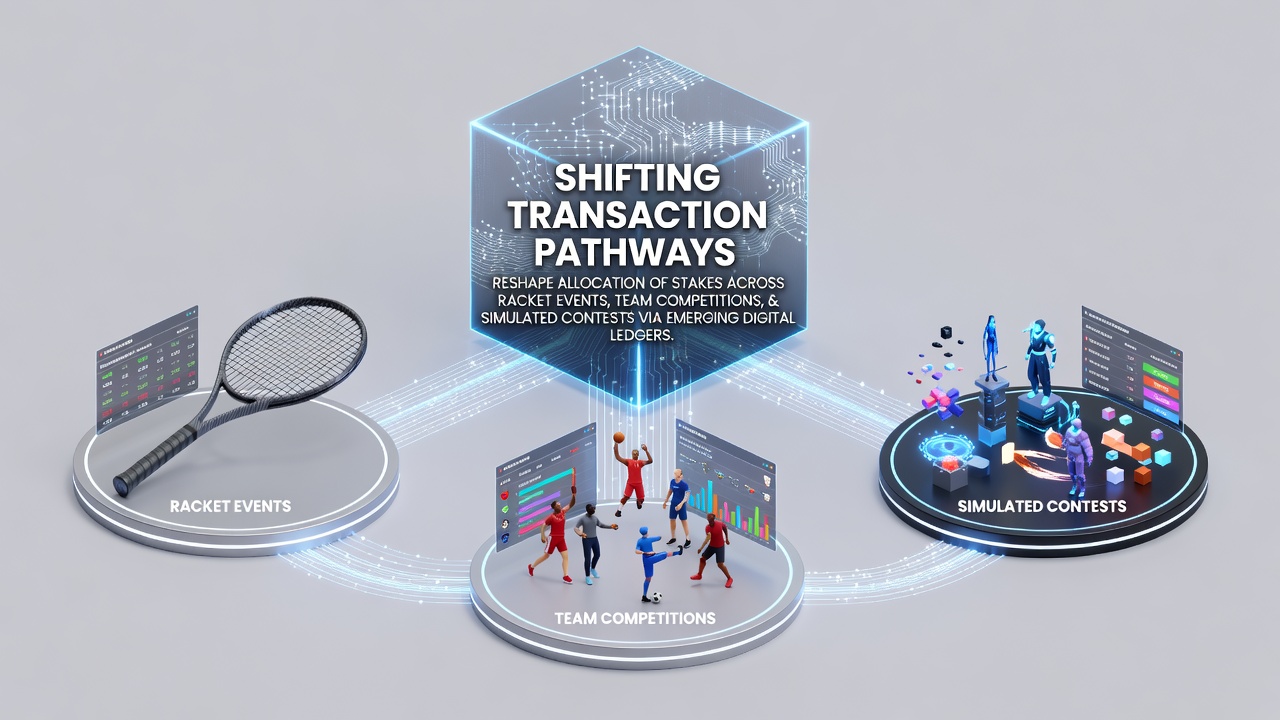
Shifting Transaction Pathways Reshape Stake Allocation Across Racket Events, Team Competitions, and Simulated Contests
Digital ledgers built on distributed systems now handle a growing share of transactions in sports wagering, and this shift directly influences how participants direct funds toward racket events, team competitions, and simulated contests. Transaction records stored across multiple nodes allow instant verification without traditional banking intermediaries, and operators have integrated these pathways to support rapid stake placement and adjustments during live events.
Transaction Speed and Allocation Patterns in Racket Sports
Racket events such as professional tennis tournaments have seen measurable changes in fund distribution since blockchain-based settlement options expanded in 2025. Observers note that participants can move stakes between individual player markets within seconds, and this capability stems from ledger entries that confirm transfers across borders without delays associated with legacy systems. Data compiled by the European Gaming and Betting Association shows that cross-platform adjustments in tennis markets increased by 28 percent during the first half of 2026 compared with the same period in 2025.
Those who track allocation behavior report that enthusiasts now split positions across multiple sets and matches more frequently because ledger technology reduces the friction of moving smaller amounts. A single confirmed entry on the distributed network updates balances across connected platforms, and this process supports simultaneous engagement with clay-court rallies and hard-court fixtures scheduled in different time zones.
Team Competitions and Ledger-Driven Fund Distribution
Team-based events in football, basketball, and similar leagues have adopted the same ledger infrastructure to manage larger aggregate stakes. Researchers tracking North American markets found that participants allocate portions of their holdings across game segments, player performance metrics, and final outcomes within a single session. The underlying ledger records each adjustment as a timestamped block, and this structure prevents double allocation while allowing real-time visibility for all parties involved.
Instant settlement also affects how funds move between different team competitions scheduled on the same day. Instead of waiting for batch processing at the end of a match day, ledger entries finalize transfers as soon as consensus is reached among network validators. Industry reports from the Canadian Gaming Association indicate that average stake reallocation frequency rose from 1.8 times per event in early 2025 to 3.4 times per event by mid-2026 in major basketball and soccer markets.
Simulated Contests and Emerging Ledger Integration
Simulated contests, including e-sports tournaments and virtual match simulations, rely heavily on the same transaction pathways because participants often engage across multiple digital platforms simultaneously. Ledger technology enables stake movement between simulated outcomes and real-world team events without requiring separate account funding steps. Studies published by the University of Nevada Gaming Research Center document that 41 percent of active accounts in 2026 used distributed ledger options for at least one simulated contest wager during the second quarter.
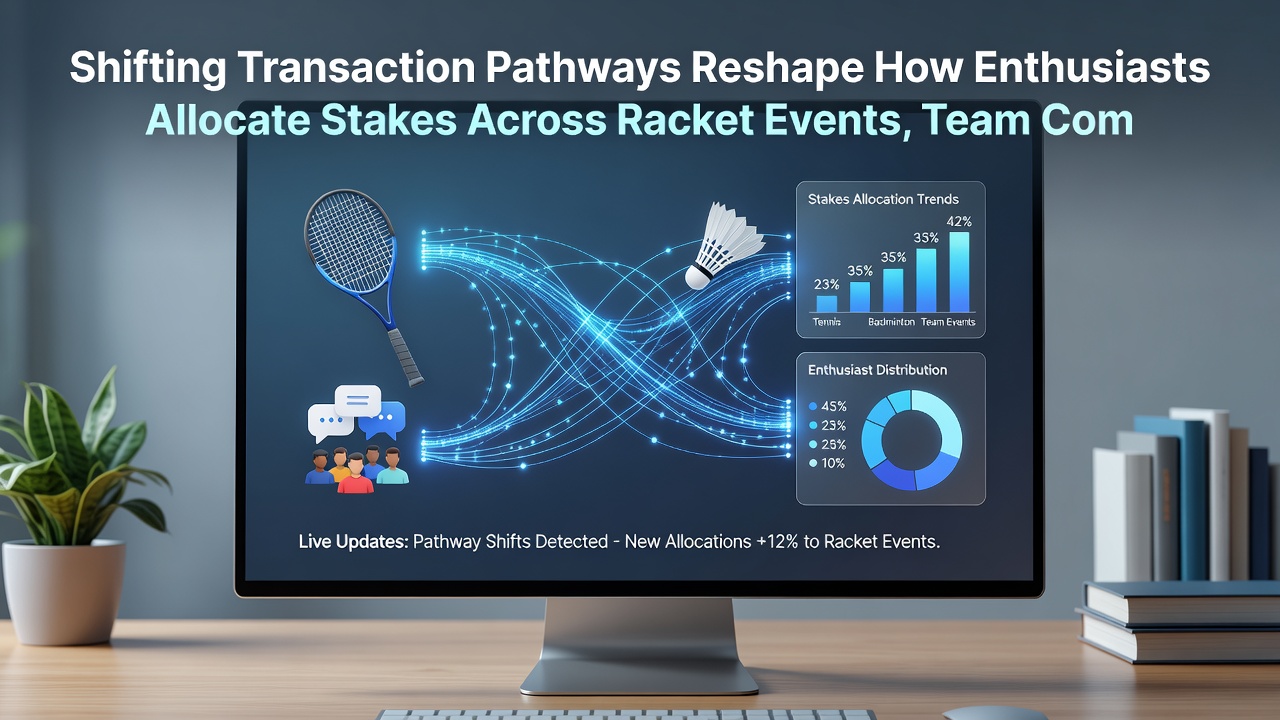
Participants frequently divide holdings between a live tennis match and an overlapping e-sports bracket because the ledger confirms each action in under ten seconds. This speed supports dynamic strategies where funds shift from one simulated arena to another based on performance data that updates continuously. The same distributed system records these movements across jurisdictions, and regulatory bodies in Australia have noted that transaction audit trails generated by these ledgers now cover 67 percent of reported virtual contest activity in the first eight months of 2026.
Cross-Event Allocation Through Unified Ledger Systems
Unified ledger platforms allow a single balance to support stakes across racket events, team competitions, and simulated contests without repeated onboarding processes. Observers have documented cases where participants maintain positions in a tennis rally market, a basketball quarter total, and a virtual football simulation at the same moment. Each allocation registers as a distinct ledger entry, and the network reconciles all positions automatically when events conclude.
Geographic variation in adoption rates has also emerged. Markets in the European Union report higher usage of ledger-based transfers for racket sports, whereas North American platforms show stronger integration for team competitions and simulated contests. Figures released by the Nevada Gaming Control Board for the first quarter of 2026 reveal that ledger-settled wagers accounted for 34 percent of total handle in basketball and e-sports categories combined.
Conclusion
Distributed ledger pathways continue to alter the mechanics of stake allocation by reducing settlement times and enabling simultaneous participation across racket events, team competitions, and simulated contests. Transaction records stored on these networks provide verifiable histories that operators and regulators use to monitor activity, and the resulting data streams support more granular allocation decisions during live periods. As adoption expands through 2026, the structure of fund movement across these categories remains tied to the technical capabilities of the underlying ledgers rather than to any single platform or jurisdiction.