Tracing Capital Movements in Multi-Discipline Betting Scenarios Involving Traditional Athletics, Virtual Competitions, and Recreational Tables via Smartphone Networks
Parker Müller · Jul 22, 2026
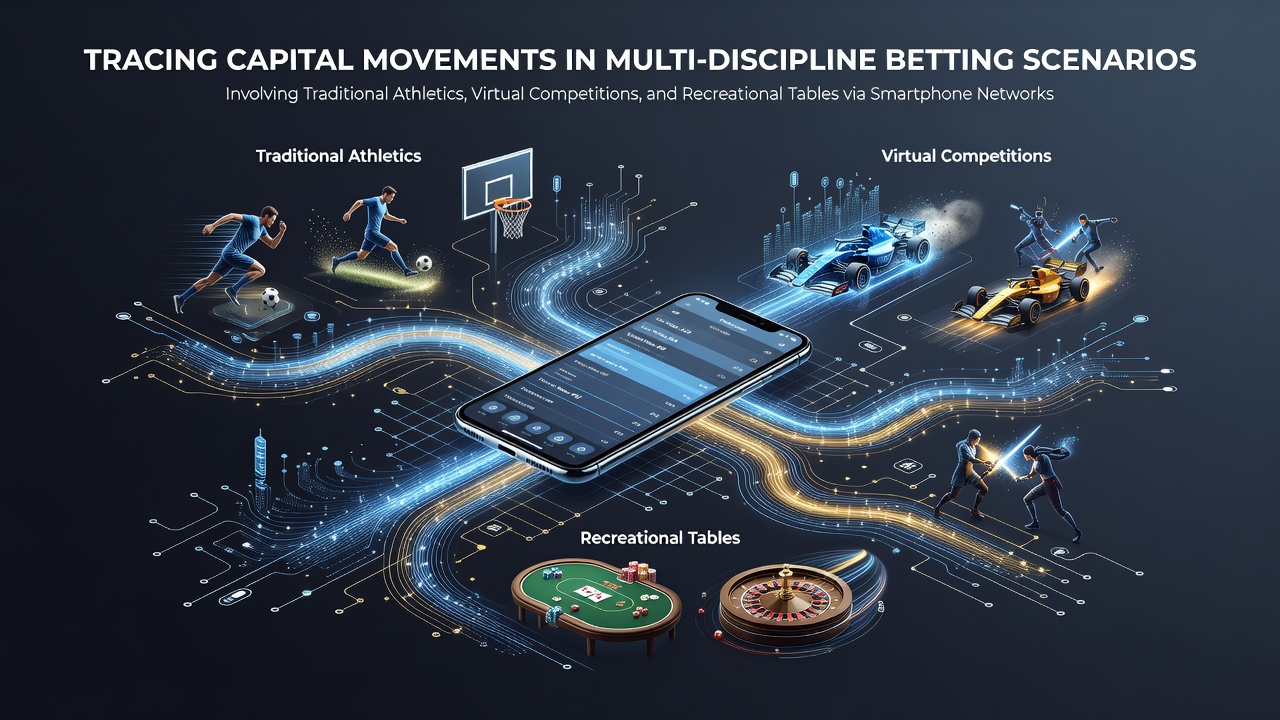
Tracing Capital Movements in Multi-Discipline Betting Scenarios Involving Traditional Athletics, Virtual Competitions, and Recreational Tables via Smartphone Networks
Capital movements in betting environments that span traditional athletics, virtual competitions, and recreational tables now rely heavily on smartphone networks for real-time tracking and settlement, and researchers have documented distinct patterns in how funds transfer across these categories. Data from multiple jurisdictions shows that mobile platforms consolidate wagers on live athletic events with virtual matches and table games through integrated payment gateways, which allows operators to monitor inflows and outflows with greater precision than earlier desktop-based systems.
Payment Infrastructure Supporting Cross-Category Flows
Smartphone applications process deposits and withdrawals through a combination of bank transfers, digital wallets, and instant credit options, while each transaction carries metadata that links specific wagers to user accounts. Observers note that these systems create audit trails because every movement from a traditional athletics bet, such as a soccer match, can connect directly to a subsequent virtual competition stake or a recreational table round without requiring separate logins or external processors. As of July 2026, several European regulatory bodies reported that mobile transaction volumes in multi-discipline scenarios accounted for more than half of total betting activity in monitored markets, with capital shifting between categories often within the same session.
Patterns Observed in Traditional Athletics Betting
Funds directed toward traditional athletics events frequently originate from the same mobile wallets that later support virtual or table-based wagers, and transaction logs reveal that bettors commonly move remaining balances across categories rather than withdrawing to external accounts. Studies conducted by industry research groups indicate that peak capital inflows occur during major athletic seasons, after which portions of those funds redistribute to virtual competitions during off-peak periods. This redistribution happens through automated balance transfers that smartphone networks record with timestamps and category tags, enabling analysts to trace sequences without manual intervention.
Virtual Competition Capital Dynamics
Virtual competitions draw capital from athletic betting accounts at rates that have increased steadily since 2024, and data indicates that smartphone users initiate these transfers during breaks in live athletic events or immediately after table game sessions conclude. The networks facilitate instant settlement because virtual outcomes resolve through algorithmic systems rather than external variables, which reduces latency between wager placement and fund movement. Those who have examined transaction datasets find that capital often cycles back from virtual results into recreational table play within minutes, creating short-duration loops that traditional banking rails cannot accommodate.
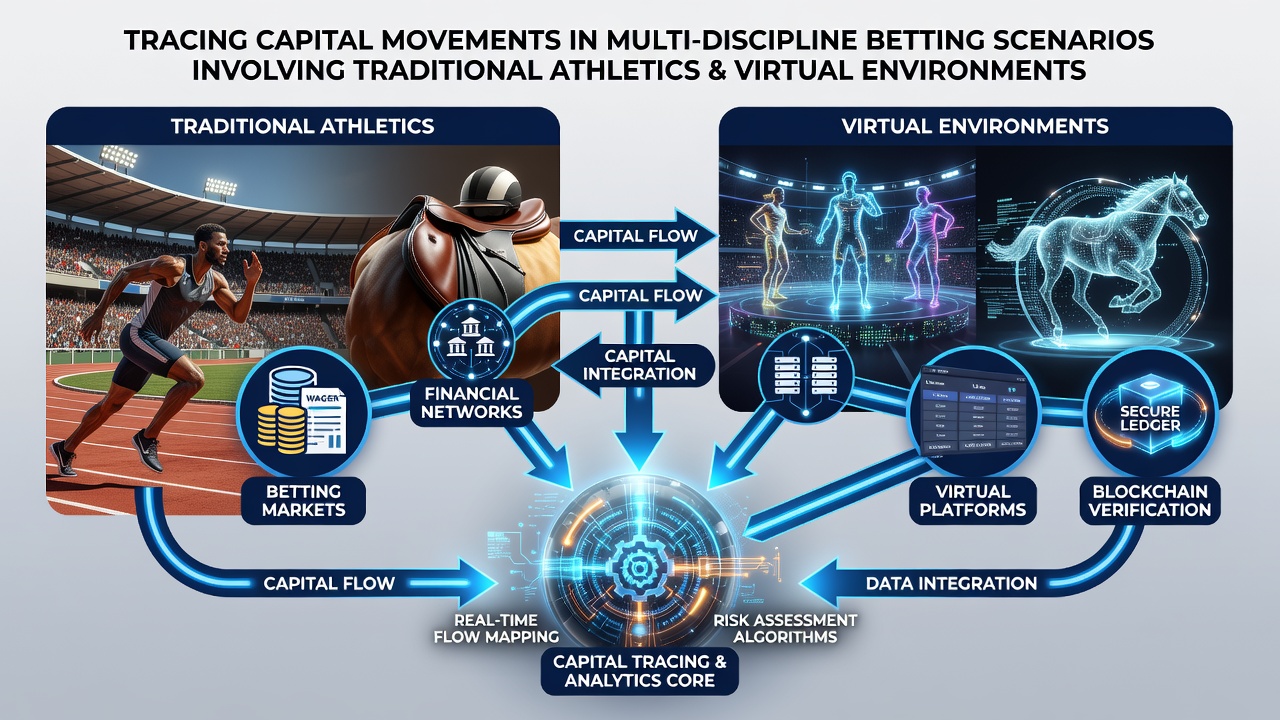
Recreational Table Integration and Settlement Speed
Recreational tables on mobile platforms accept capital that originates from both athletic and virtual sources, and operators record these inflows using standardized identifiers that distinguish between categories for compliance purposes. According to reports issued by the European Gaming and Betting Association, table game sessions funded by prior athletic winnings demonstrate higher average stake sizes in several monitored markets during the first half of 2026. Smartphone networks enable this integration because they support simultaneous display of multiple betting categories, allowing users to shift funds without exiting the application environment.
Regulatory Oversight and Data Reporting Requirements
Regulators in Australia and Canada have implemented requirements for operators to submit aggregated transaction reports that categorize capital movements by discipline, and these filings must include mobile-specific identifiers that separate smartphone activity from other channels. The reports reveal consistent patterns where funds entering through athletic events exit through virtual or table categories at predictable ratios, which assists authorities in identifying anomalies without accessing individual user data. One analysis covering the period ending in July 2026 showed that cross-category transfers represented a growing share of total volume, yet remained within established risk thresholds set by oversight bodies.
Technical Tracing Methods Employed by Operators
Operators deploy ledger systems that tag each mobile transaction with category codes, user session identifiers, and device fingerprints, and these tags permit reconstruction of capital paths across traditional athletics, virtual competitions, and recreational tables. Blockchain-based settlement layers appear in some markets to provide immutable records, although most jurisdictions continue to rely on centralized databases that operators update in real time. Researchers examining these systems have confirmed that teh combination of metadata and timestamping produces traceable sequences even when funds pass through promotional credits or bonus balances before reaching final settlement.
Conclusion
Smartphone networks have established the primary infrastructure for tracing capital movements across multi-discipline betting scenarios, and available data through July 2026 demonstrates clear interconnections between traditional athletics, virtual competitions, and recreational tables. Regulatory filings from diverse regions continue to document these flows through standardized reporting that maintains user privacy while supplying aggregate insights into category shifts. Operators and oversight bodies alike rely on the metadata generated by mobile transactions to maintain visibility over fund allocation without disrupting user experience.