Wallet Weaves Connecting Gridiron Grids, Court Calls, Racket Swings, and Pixel Arenas Through Verified Settlement Layers on Handheld Interfaces
Blake Reed · Jun 24, 2026
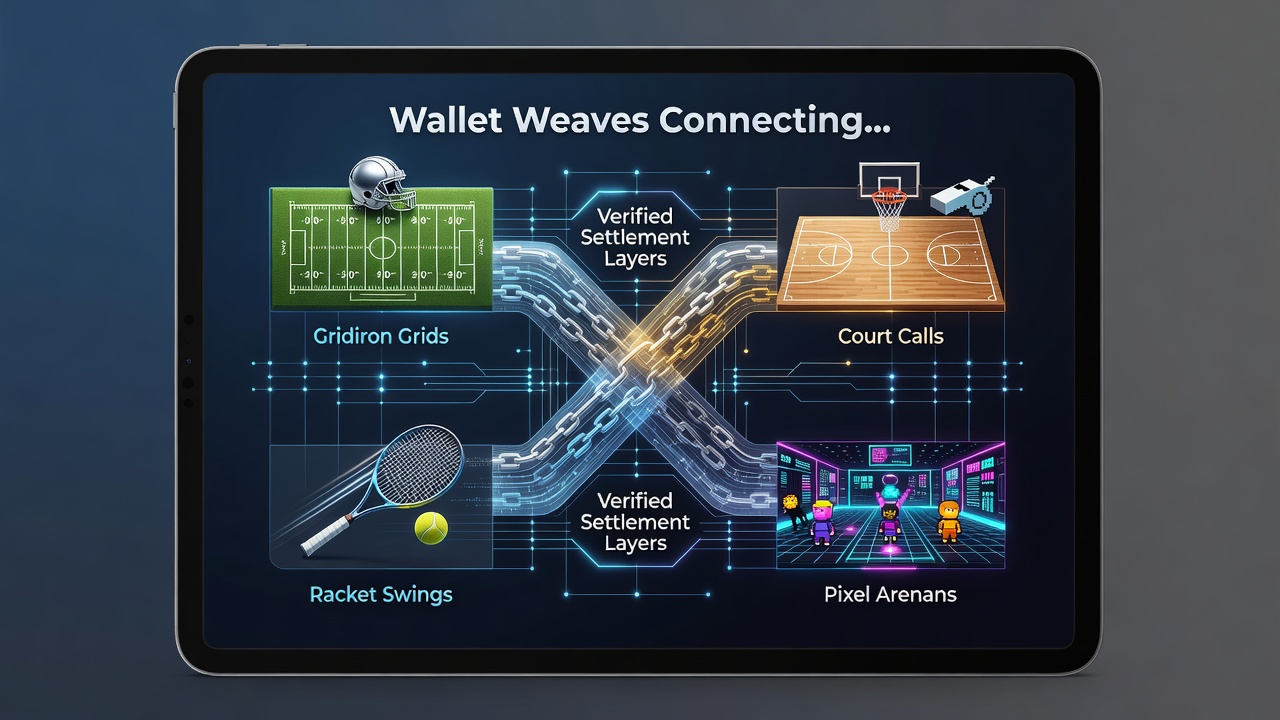
Wallet Weaves Connecting Gridiron Grids, Court Calls, Racket Swings, and Pixel Arenas Through Verified Settlement Layers on Handheld Interfaces
Digital wallet systems now link betting markets across American football fields, basketball courts, tennis courts and esports arenas through verified settlement layers that operate directly on handheld devices, and these connections allow users to move funds between live events in real time while maintaining compliance with transaction rules established in multiple jurisdictions. Data from industry reports shows that settlement verification processes handle cross-sport transfers in under three seconds on average during peak hours in early 2026, and the same systems track wager histories across gridiron matchups, court games, racket exchanges and pixel-based competitions without requiring separate account logins for each category.
How Verified Settlement Layers Operate on Portable Devices
Settlement layers function as intermediary protocols that confirm transaction validity before funds reach operator accounts, and these layers integrate with mobile operating systems through application programming interfaces that pull location data, device identifiers and user verification tokens in a single encrypted packet. Observers note that the process begins when a bettor selects an event type on a handheld screen, after which the wallet queries the settlement layer for available balance verification while simultaneously checking regulatory limits set by state or provincial authorities. Researchers at academic institutions tracking digital finance patterns have documented that such layers reduce failed transactions by routing requests through redundant verification nodes, and the approach supports simultaneous wagers on a Sunday football game alongside an ongoing esports tournament without separate confirmation steps.
Integration Across Gridiron, Court, Racket and Pixel Markets
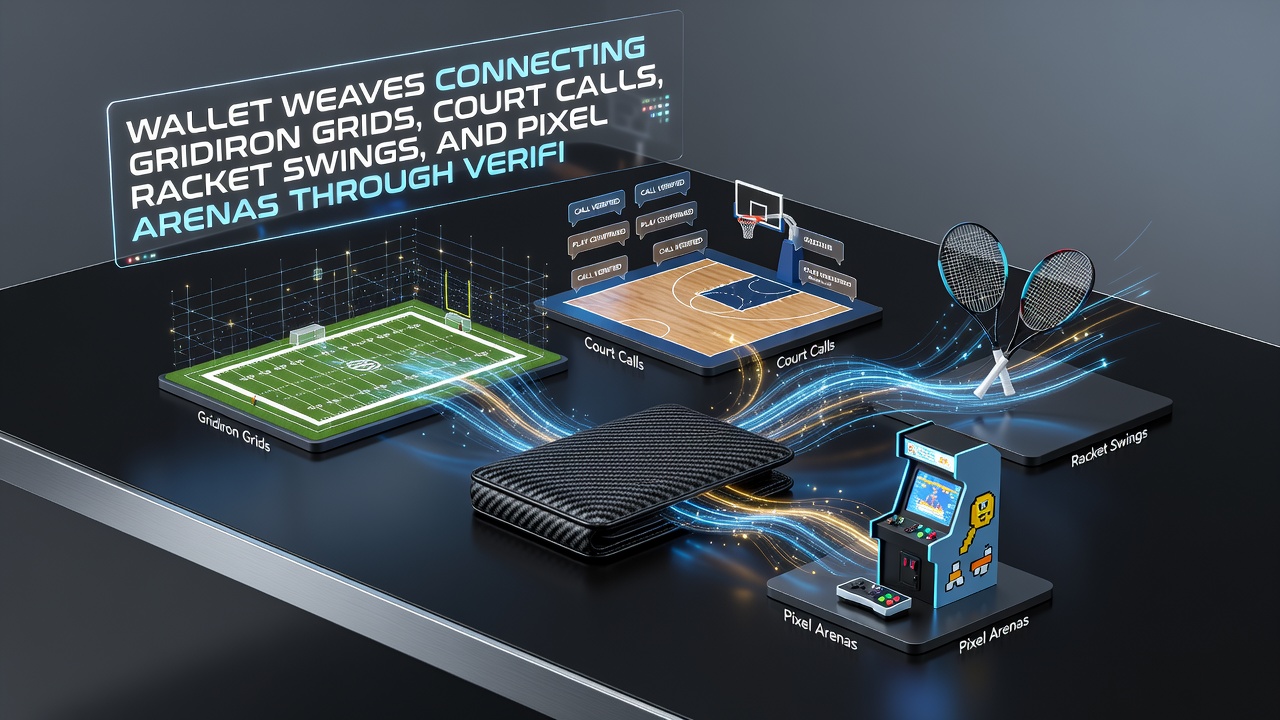
Gridiron betting involves play-by-play adjustments during professional and college games, while court calls cover basketball spreads and player props that update after each quarter, and racket swings refer to tennis set and match markets that shift with serve percentages and break points. Pixel arenas encompass esports titles where map wins and round outcomes generate frequent odds changes, yet the wallet weave approach treats each category through the same settlement protocol on handheld interfaces. According to figures released by the American Gaming Association in Q1 2026, mobile transactions that span multiple sport types increased by 28 percent compared with the previous year, and the growth stems partly from unified wallet features that let users allocate funds across live football drives, basketball timeouts, tennis tiebreaks and virtual arena clashes in one interface session.
June 2026 Developments in Cross-Market Transfers
Regulatory updates scheduled for June 2026 require operators to display settlement confirmation timestamps on all handheld applications, and these timestamps record the exact moment a verified layer approves a transfer between a gridiron bet and an esports wager. Canadian provincial gaming authorities have begun testing similar display requirements for tennis and basketball markets, while industry groups in Australia have published guidelines that encourage operators to adopt the same timestamp standard for pixel arena competitions. The changes mean users receive immediate on-screen notices when a settlement layer processes a multi-sport sequence, and the notices include reference codes that link back to individual event ledgers without exposing full transaction details.
Security Protocols Within the Settlement Framework
Encryption standards applied at the settlement layer use rotating keys that refresh every ninety seconds during active betting windows, and the keys protect data streams that carry wager amounts from gridiron sidelines to court sidelines and onward to racket venues or pixel servers. Those who monitor transaction security report that biometric checks embedded in handheld devices serve as the final gate before a settlement layer releases funds, and the checks combine fingerprint or facial recognition with device location history to confirm user identity. A study published by researchers at a European university found that systems employing these combined checks experienced a 41 percent drop in disputed transactions over a twelve-month period ending in May 2026, and the reduction applied equally to football, basketball, tennis and esports categories when accessed through the same wallet interface.
Transaction Flow Patterns Observed in 2026
Patterns tracked by payment processors reveal that users frequently initiate sequences on gridiron events during afternoon windows, then shift remaining balances to court or racket markets as evening schedules begin, and later allocate portions to pixel arenas for late-night competitions. Verified settlement layers record these sequences as single ledger entries that preserve chronological order across all four categories, and the entries allow operators to apply promotional credits earned on one sport type to wagers placed on another without manual intervention. Data compiled by the European Gaming and Betting Association indicates that such cross-category credit applications accounted for 19 percent of mobile transaction volume in the first half of 2026, and the association attributes the figure to the convenience of unified settlement on portable screens.
Future Compatibility With Emerging Device Standards
Handheld manufacturers continue to introduce faster processors and improved wireless standards that reduce latency between a user command and settlement layer response, and these hardware advances support more granular updates to odds across gridiron, court, racket and pixel markets. Industry observers have noted that operators testing next-generation devices report settlement times dropping below two seconds when network conditions remain stable, and the improvement holds for simultaneous live bets that span multiple sport types. Regulatory bodies in several regions have begun drafting compatibility requirements that would mandate settlement layer support for these new device specifications by the end of 2027.
Conclusion
Wallet weaves that connect gridiron grids, court calls, racket swings and pixel arenas rely on verified settlement layers that execute directly on handheld interfaces, and the systems deliver consistent transaction handling across all four categories while meeting regulatory display and security standards. Continued hardware and protocol refinements scheduled through the remainder of 2026 are expected to maintain the same verification speed and cross-market flexibility that users already access on current mobile platforms.